Song Meaning
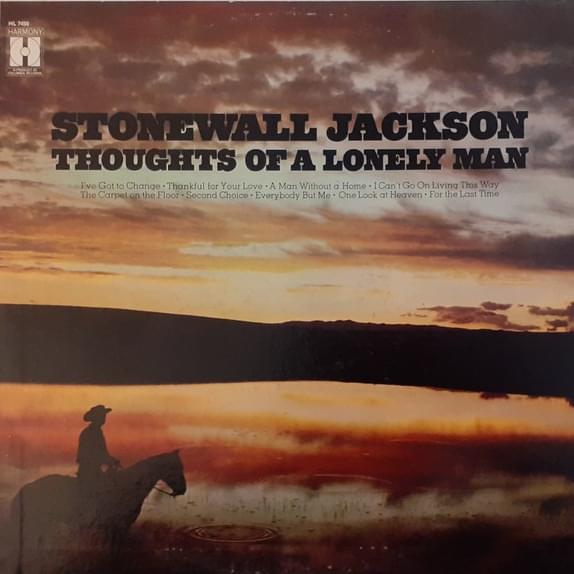
Stonewall Jackson's "I Can't Go On Living This Way" is a raw nerve exposed, a primal scream distilled into a country lament. It's not just heartbreak; it's the suffocating despair that lingers after the initial wound, the kind that poisons every breath. The song meaning hinges on that inescapable loop of grief. The protagonist isn't actively fighting; he's simply stating a fact: existence, as it currently is, has become untenable. The line about wanting to drown in the river but knowing the memories would follow is particularly devastating. It underscores the futility he feels – even oblivion offers no escape from the torment of his thoughts. This isn't a fleeting moment of sadness; it's a chronic condition.
The lyrics paint a portrait of a man utterly consumed. The repetition of "always moanin'," "always cryin'," emphasizes the ceaseless nature of his suffering. It's not a performance for sympathy; it's an honest, almost brutal, self-assessment. He's trapped in a cycle of mourning, and the object of his sorrow, the "you" that haunts every verse, remains unnamed but omnipresent. That deliberate ambiguity allows the listener to project their own experiences of loss onto the song, amplifying its emotional resonance. It's a testament to the power of suggestion, the way a carefully chosen word can unlock a universe of pain.
"I Can't Go On Living This Way" operates on a stark, almost minimalist level. There are no elaborate metaphors or clever wordplay, just a direct, unvarnished expression of anguish. The simple melody and straightforward arrangement only serve to amplify the lyrical content's emotional weight. The piano break offers a brief respite, a moment of instrumental contemplation, before plunging the listener back into the depths of the protagonist's despair. Ultimately, the song's power lies in its unflinching honesty. It's a reminder that sometimes, the most profound statements are the simplest ones, and that even in the darkest moments, there's a strange comfort in knowing you're not alone in your suffering. The lyrics analysis reveals a universal truth about the human condition: the unbearable weight of unrelenting sorrow.
 View Artist