Song Meaning
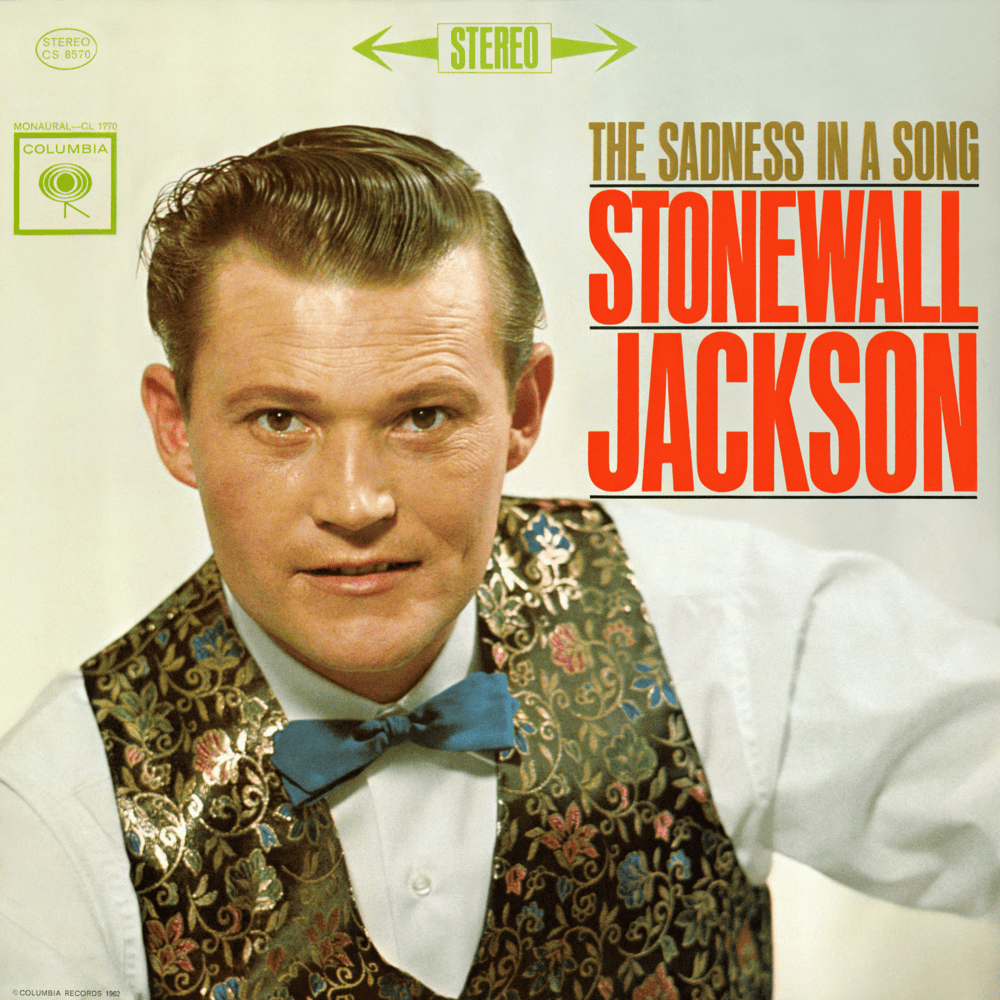
Stonewall Jackson's "Hungry For Love" isn't a subtle exploration of desire; it's a raw, almost desperate confession of emotional starvation. The track circles a central, agonizing question: is infidelity justifiable when born of profound loneliness? Jackson doesn't offer excuses, but rather lays bare the vulnerability that fuels his actions. He acknowledges the transgression ("I know that it's a sin"), yet frames it as an almost involuntary response to a love that has "grown cold." This isn't about casual lust; it's about a fundamental human need for connection gone unmet. The repeated refrain, "How many arms hold the wrong one so tight," underscores the pervasiveness of this disconnect, suggesting a shared, universal experience of misdirected affection.
The "wrong one" becomes a haunting figure throughout the song, less a specific person and more a symbol of compromise and emotional inadequacy. Jackson's narrator isn't seeking fleeting pleasure, but rather a substitute for the warmth and validation that's absent from his primary relationship. The banjo interlude, while musically upbeat, ironically amplifies the underlying tension. It's a brief, almost manic distraction from the stark reality of his situation. The phrase "hungry for love" itself isn't merely a romantic cliché, but rather a primal scream—a desperate plea for sustenance in a landscape of emotional famine.
Ultimately, "Hungry For Love" derives its power from its unflinching portrayal of human frailty. It dares to ask uncomfortable questions about the boundaries of love and the lengths to which people will go to fill the void left by emotional neglect. Jackson avoids easy answers, leaving the listener to grapple with the moral complexities of his narrator's actions and, perhaps, recognize a flicker of themselves in his desperate search for connection.
 View Artist