Song Meaning
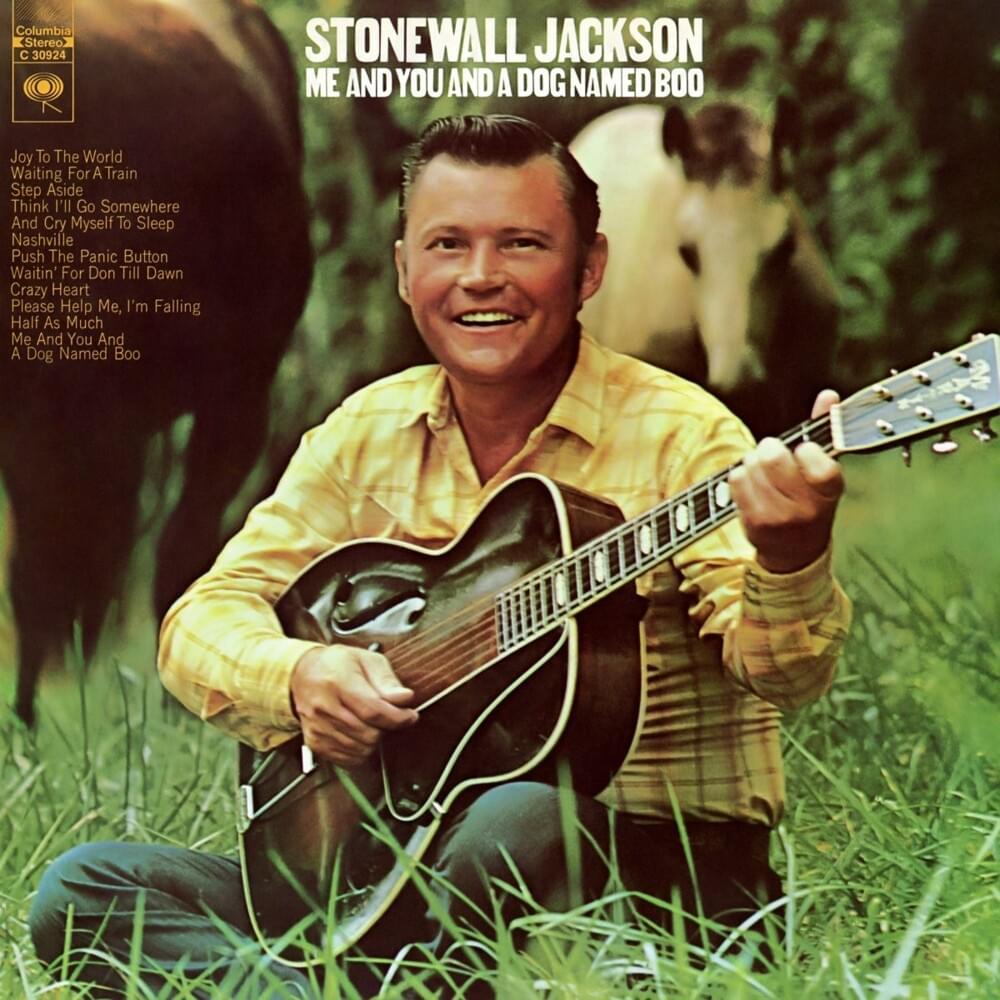
Stonewall Jackson's "Crazy Heart" isn't a song of sympathy; it's a calculated post-mortem on a self-inflicted romantic wound. The narrator, positioned as a knowing observer, watches with a detached amusement as the protagonist's naivete leads to heartbreak. The repetition of "Go on and break you Crazy Heart" isn't a lament, but a sardonic prophecy fulfilled. It’s the sound of 'I told you so' echoing through the honky-tonk. The core of the song meaning lies in this schadenfreude, this almost cruel satisfaction derived from witnessing another's predictable downfall.
The lyrics paint a portrait of a fool blinded by optimism. The protagonist, convinced of his own cleverness ("You thought she'd care for you and so you acted smart"), ignores warnings and embraces a fantasy destined to crumble. He refuses to acknowledge the precariousness of his situation ("You never would admit you were mistaken"), pressing forward with a reckless abandon that borders on arrogance. The narrator, in contrast, possesses a clear-eyed understanding of the dynamics at play, a cynical wisdom born from experience or perhaps a darker understanding of human nature.
The song's power resides in its unsentimental portrayal of heartbreak. There's no room for tears or regret, only the cold, hard reality of consequence. The repeated refrain becomes a taunt, a constant reminder of the protagonist's folly. "Crazy Heart" is a cautionary tale, delivered with a swaggering confidence that suggests the narrator has seen this play out countless times before. It's a song about the perils of ignoring sound advice and the bitter taste of a lesson learned too late, served with a side of unapologetic glee.
 View Artist