Song Meaning
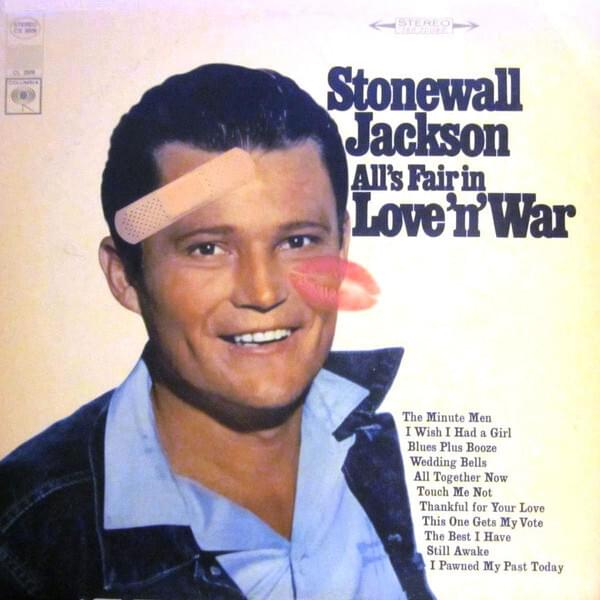
Stonewall Jackson's "Best I Have (Is Not Enough For You)" is a masterclass in country music's enduring theme: the agony of unrequited love. But beyond the surface heartbreak, the song meaning burrows into the psychological quicksand of a relationship defined by imbalance. It's not just about offering love and receiving nothing in return; it's about the slow, agonizing realization that the very core of one's being – "the best I have" – is inherently insufficient for the other person. This isn't a temporary shortfall; it's an existential inadequacy. The singer is trapped in a loop of striving and failing, a Sisyphean endeavor to fill a void that seems bottomless. The lyrics analysis points to a dynamic where effort is met with dissatisfaction, creating a profound sense of helplessness.
The second verse introduces a potent cocktail of emotions: despair and resignation. The line, "Sometimes I think that I should run away and hide / So you can't see how much this heart of mine has died," isn't mere melodrama. It's a raw, vulnerable expression of wanting to shield oneself from further emotional evisceration. The partner's conditional affection – "you only want me when there's nothing else to do" – adds another layer of cruelty. It suggests a transactional relationship where the singer is a placeholder, a source of comfort only when more desirable options are unavailable. This reinforces the feeling of inadequacy, turning love into a performance doomed to fail.
The final verse cements the singer's self-awareness, acknowledging his own foolishness ("I know that I'm a fool but I can't help myself"). This isn't stupidity, but the tragic compulsion to seek validation from someone incapable of providing it. The lyrics hint at a deeper, perhaps irreconcilable, incompatibility. There's "something in your heart that I can't seem to melt," suggesting a fundamental emotional blockage on the partner's side. Even the moments of apparent affection are tainted by manipulation ("Oh you show me love but then you try to keep me blue"), indicating a subtle form of control. "Best I Have (Is Not Enough For You)" is more than just a lament; it's a stark portrayal of emotional dependency and the corrosive effects of a love that demands more than one can possibly give.
 View Artist