Song Meaning
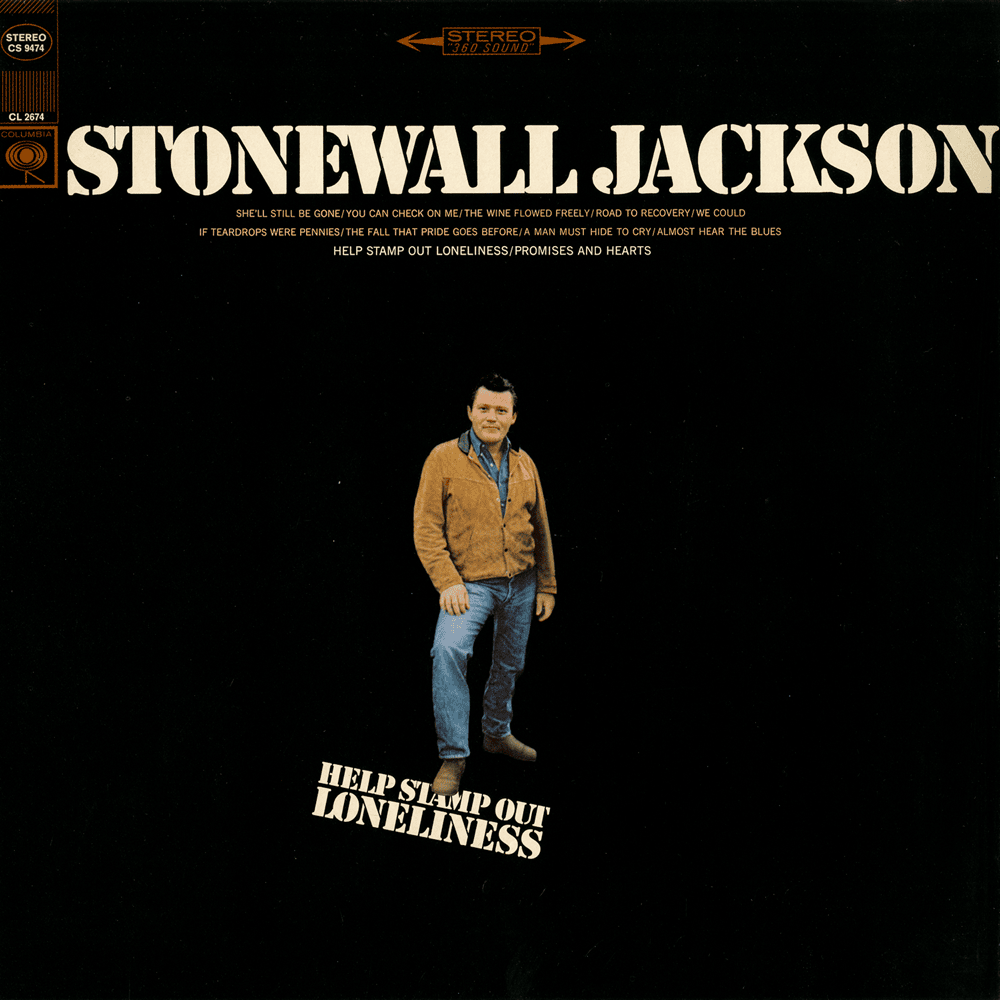
Stonewall Jackson's "Almost Hear The Blues" isn't just country; it's a psychological portrait of grief painted in sound. The song meaning hinges on the *almost*. It's not a full-blown blues explosion, but a subtle, creeping realization of heartbreak embedding itself in the narrator's reality. The opening lines immediately set the scene: a rural soundscape haunted by regret. The night wind whispers accusations, a coyote's howl echoes lost love – these aren't just background noises; they're externalizations of the narrator's internal turmoil. The whippoorwill and departing train become auditory triggers, each adding another layer to his pain. The recurring phrase, "Listen close and you can almost hear the blues," becomes less about the music itself and more about the narrator's descent into despair; he's hyper-attuned to any stimulus that confirms his suffering. It's a self-fulfilling prophecy of sorrow.
The second verse reinforces this idea, with the sound of rain and the crackling fire now imbued with "lonesome sound." He's not just observing nature; he's projecting his emotional state onto it. Even the simple act of walking becomes a mournful rhythm in the line, "As I walk the time away just listen to my shoes." Time itself is a burden, marked by the sound of his own lonely footsteps. The guitar solo acts as an instrumental interlude, a momentary escape from the lyrics' relentless focus on loss, but the feeling of sorrow lingers.
The final verse seals the song's interpretation. The river's rumble, personified as a messenger of doom, delivers the brutal truth: "she won't be back no more." This isn't a sudden revelation, but a confirmation of what the narrator already knows deep down. The wind, coyote, and his own crying heart converge, creating a symphony of sorrow. The repetition of "Almost Hear The Blues" transforms from a simple observation into a mantra of despair. The song's genius lies in its restraint; it's not wallowing in self-pity, but rather documenting the slow, insidious way that grief can permeate one's perception of the world. It's a masterclass in understated emotional devastation.
 View Artist