Song Meaning
The lyrics paint a stark picture of a relationship that has completely run its course. The narrator feels suffocated, stating, "Sve mi više muka" (I'm getting more sick) of the other person each day. There's a sense of finality and a desperate need for something more, a craving for someone who would "umro bi za mene" (die for me), highlighting a profound emotional void left by the current connection. The imagery of a hand like "kamen ispod vrata" (a stone under the door) suggests a heavy, burdensome presence that obstructs progress.
The central tension lies in the narrator's absolute declaration of the other person's demise in their life, despite the repeated "Živeo" (Live on). This isn't a wish for well-being but a bitter, definitive dismissal. The repeated refrain, "Živeo, kraj neke druge srećan bio / Živeo, kraj neke druge ostario / Živeo, kraj neke druge živi ti / Jer za mene mrtav si" (Live on, be happy with someone else / Live on, grow old with someone else / Live on, live your life with someone else / Because for me, you are dead), hammers home this emotional severance. It's a powerful, almost cruel, excommunication from the narrator's inner world.
The most striking craft element is the ironic use of "Živeo." It's a word typically associated with celebration or well-wishes, but here it's weaponized. The narrator is telling the other person to live, but only in the context of someone else's life, emphasizing their own complete detachment. The contrast between the outward command to "live" and the internal declaration "you are dead to me" creates a chilling emotional effect, showcasing a profound sense of betrayal and finality. The repetition of "vatru gasim" (I'm putting out fires) in the second verse further illustrates the exhausting, thankless nature of the relationship, suggesting a constant effort to manage crises rather than build something positive.
This lyrical construction is effective because it bypasses sentimentality and goes straight for the jugular. The bluntness of "Jer za mene mrtav si" after the drawn-out, almost sarcastic, well-wishes is devastating. It captures that specific, sharp pain of realizing a connection is irrevocably broken, leaving the other person to exist only in a past that the narrator has already left behind. The lyrics don't just state an ending; they perform it with a cold, decisive finality that resonates with anyone who's experienced a relationship's absolute death.
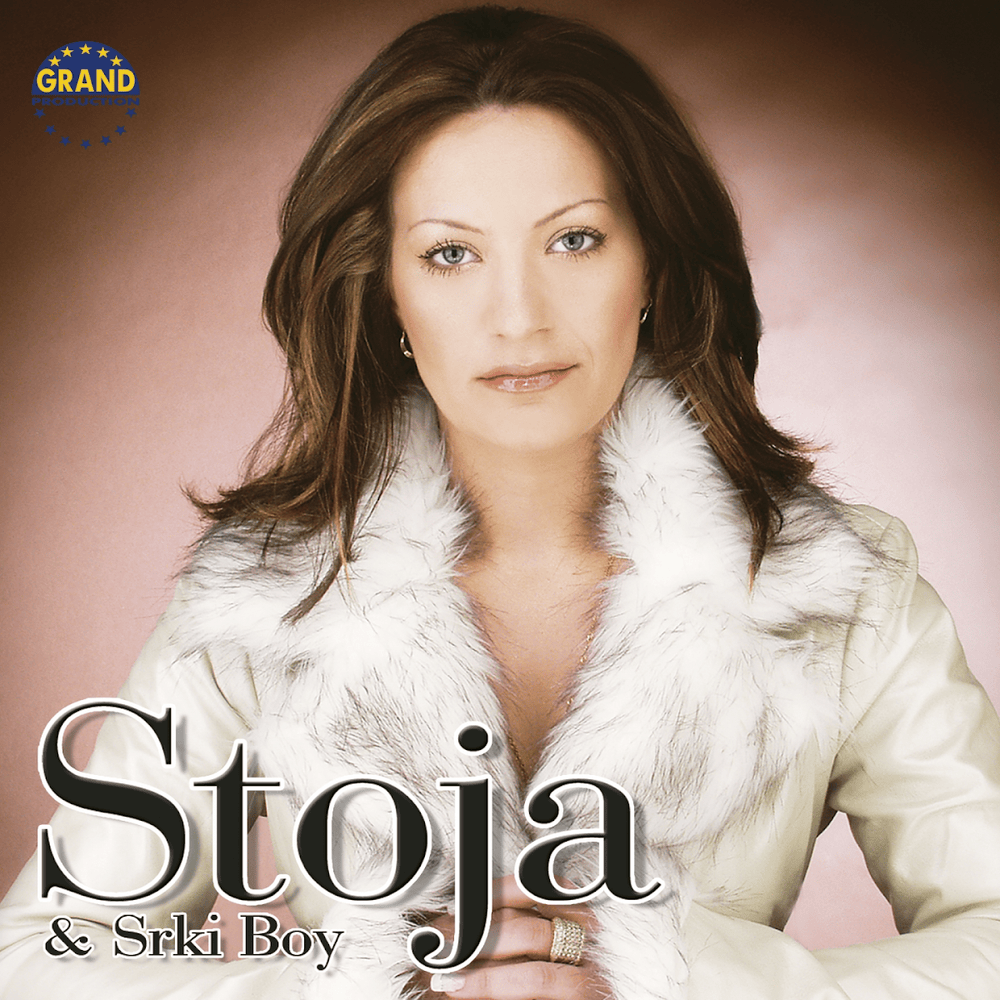
 View Artist