Song Meaning
The lyrics paint a picture of someone who was once consumed by unrequited love, to the point of physical and emotional distress. The narrator describes a past state of sleeplessness and an inability to breathe, all stemming from a one-sided devotion. This intense focus on the object of affection was met with complete indifference, as the narrator states, "Pogledô me nikad nisi kao da i ne postojim" (You never looked at me as if I existed). This sets up a stark contrast with the present.
The core tension lies in the dramatic reversal of fortune and attention. The narrator is now experiencing happiness and fulfillment, declaring, "Sad kad imam sve / Sad kad znam za sreću" (Now that I have everything / Now that I know happiness). It's precisely at this moment of personal triumph that the former object of affection finally turns their gaze. The repeated refrain, "A sad gledaš me / Sad ja tebe neću" (But now you look at me / Now I don't want you), hammers home this newfound power dynamic.
The most striking craft element is the potent use of contrast and the triumphant declaration of self-possession. The past is characterized by suffering and invisibility, while the present is defined by joy and agency. The lyrics suggest a divine retribution, with "Bog te kaznio" (God punished you), implying the former lover's current attention is a consequence of their past neglect. The narrator's final stance, "Sad ja tebe neću," is not just a rejection but a powerful assertion of having moved beyond the need for that person's validation.
This song resonates because it captures the catharsis of overcoming deep emotional pain and reclaiming one's sense of self-worth. The shift from desperate longing to confident indifference is palpable. The lyrics don't just state the change; they embody it through the stark juxtaposition of past suffering and present contentment, making the narrator's final declaration incredibly satisfying and empowering.
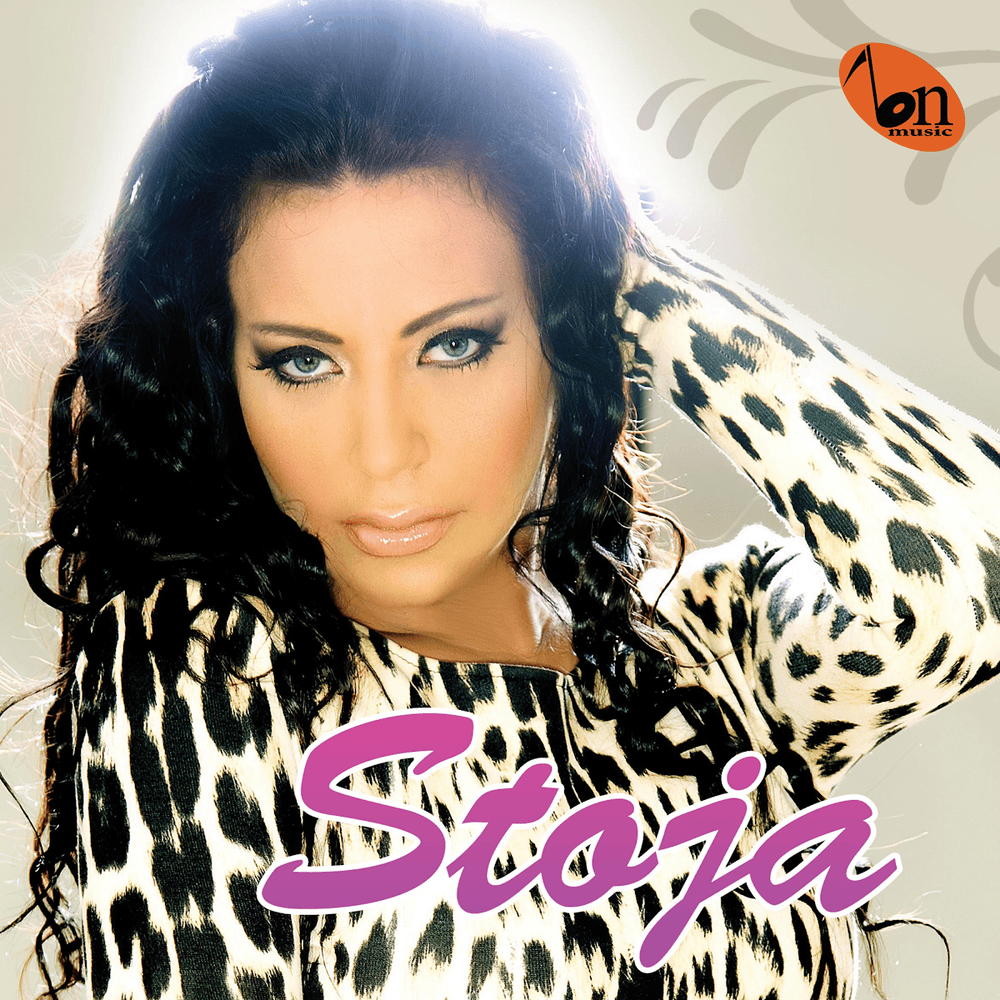
 View Artist