Song Meaning
Stina Nordenstam’s "Circus" isn't about big tops and clowns; it’s a haunting autopsy of emotional exhaustion, dressed in the melancholic garb of resilience. The song meaning resides in its stark juxtaposition of theatricality and utter desolation. The 'circus' becomes a metaphor for the performative aspects of daily life, the relentless need to 'get dressed again, in spite of all,' to present a functional self even when crumbling inside. It's a portrait of someone acutely aware of their own fragility, 'remembering I'm sick and like to die,' yet compelled to continue the act. This isn't joyous performance; it’s the weary trudge of a seasoned performer going through the motions.
The lyrics delve into the aftermath of a painful separation, a slow burn of trust eroded. The lines 'It took two days to lead up to this agony / Learning trust was just as slow' suggest a relationship that unraveled with agonizing speed, leaving the narrator grappling with the sudden absence of someone who had ceased to be an 'enemy.' This shift in perception—from adversary to essential presence—highlights the disorienting nature of loss, the way it can warp our understanding of connection and dependence. The phrase 'I was not prepared to let you go' is not a dramatic declaration of love, but a quiet admission of unpreparedness for the void.
The repeated refrain, 'I will be / The only not mad woman in the park / I will be / What's left of longing on this earth,' carries a particularly poignant weight. It suggests a desire for sanity and a recognition of the profound loneliness inherent in the human condition. To be 'the only not mad woman in the park' is not a boast of superior mental health, but an acknowledgment of isolation. She becomes a repository of longing, a living embodiment of unfulfilled desires and the persistent ache of absence. The song lingers in this space, a quiet testament to the enduring power of longing and the bittersweet resilience of the human spirit in the face of emotional wreckage.
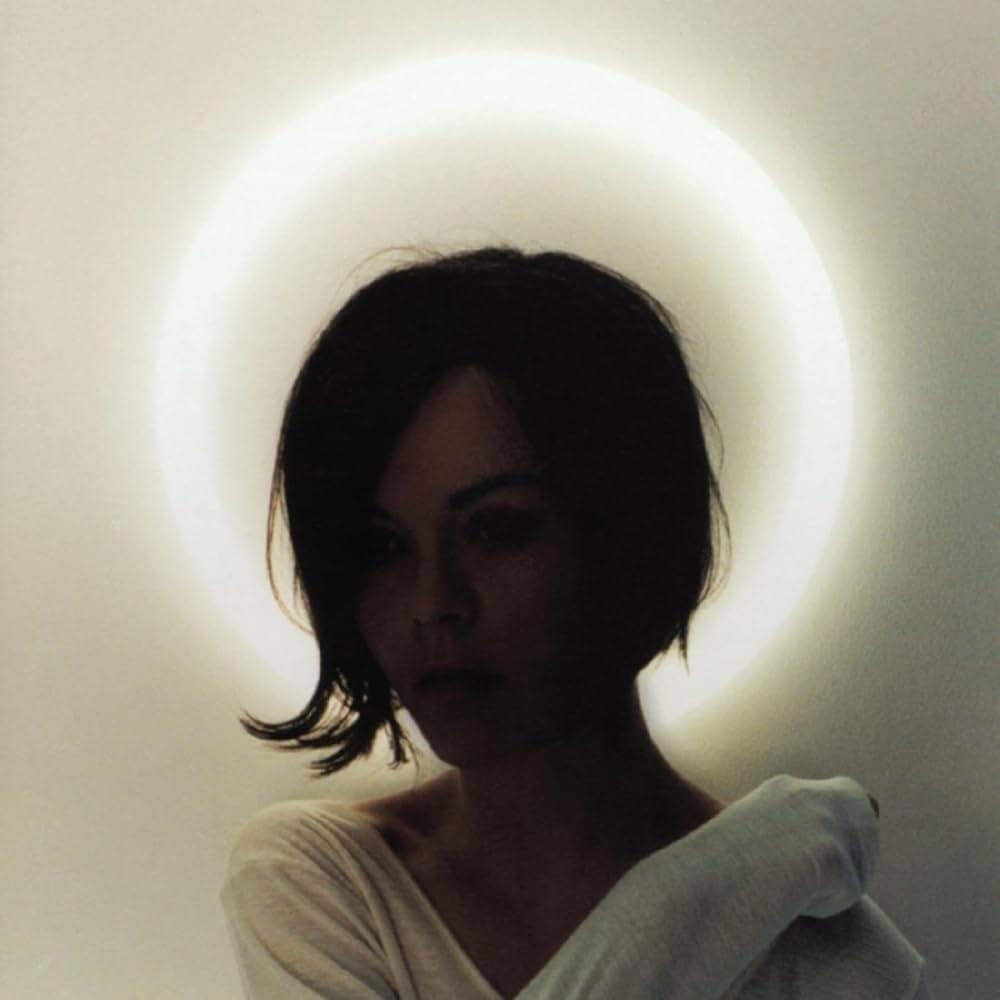
 View Artist