Song Meaning
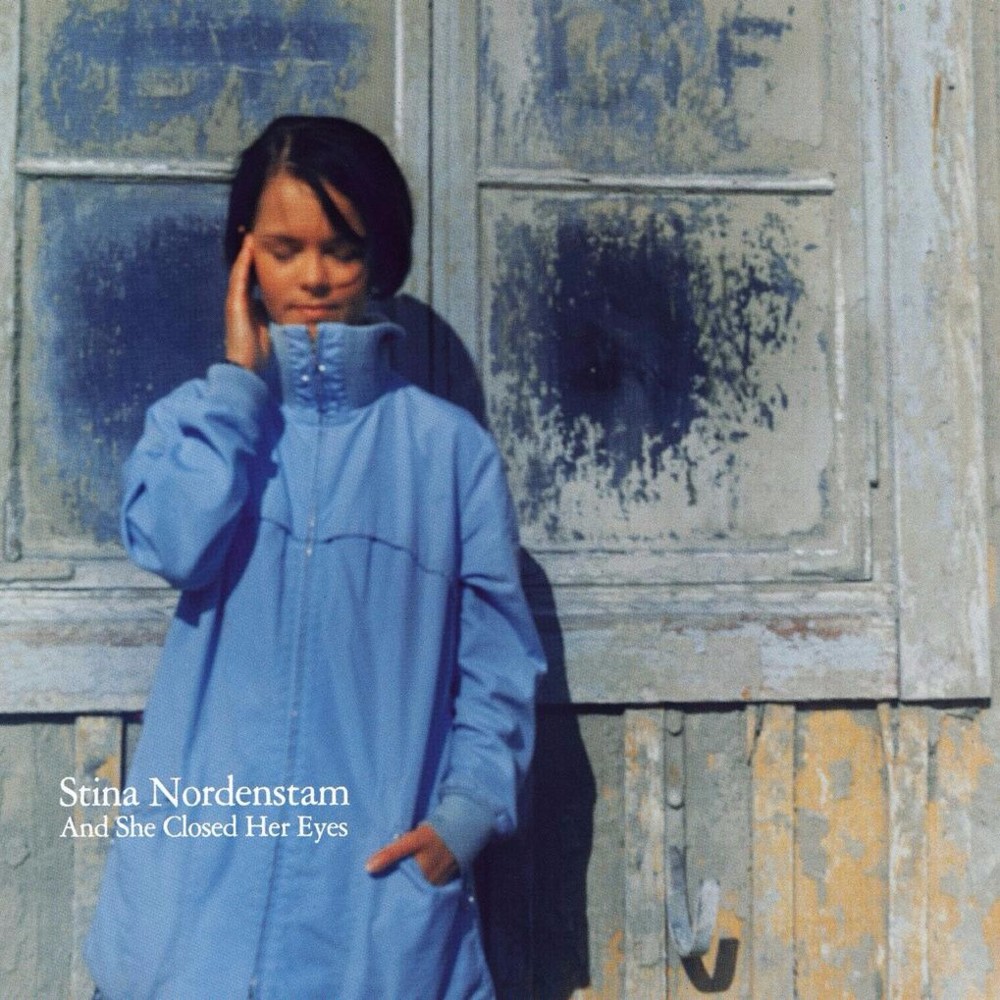
Stina Nordenstam's "And She Closed Her Eyes" isn't a conventional love song; it's a stark, minimalist portrait of emotional disconnection masked by a transactional exchange. The opening lines immediately establish a denial, a deliberate closing off: "No, I'm not in love / No, I'm not in much, for real." This isn't heartbroken melodrama; it's something colder, a flat affect that suggests a deeper void. The image of the hood falling off her head and her face getting wet implies a vulnerability being exposed, perhaps against her will. Yet, even in this moment, a "deal" is referenced, hinting at a pre-arranged agreement or expectation that governs their interaction. What is this deal? The lyrics provide only a shadow of context. It hints at a detachment where affection is absent, replaced by obligation.
The male voice enters with a weary observation: "I've been growing older, he thought." This line carries a world-weariness, as if he's seen this emotional armor before and understands its consequences. His comment, "You've got the saddest face I've seen," isn't an attempt at connection, but more like a clinical diagnosis. It acknowledges her pain without offering solace. The repetition of "You held your part of the deal" underscores the central theme of obligation over genuine feeling. This creates a scenario where both characters are trapped in a cycle of unmet needs and unspoken resentments, a poignant tableau of contemporary alienation.
The song's power lies in what it omits. Nordenstam doesn't spell out the details of the "deal" or the reasons for the woman's emotional withdrawal. This ambiguity forces the listener to confront their own assumptions about relationships and the expectations we place on one another. "And She Closed Her Eyes" becomes a mirror, reflecting our own anxieties about intimacy, authenticity, and the often-unspoken contracts that govern our closest connections. The 'getting wet' seems a complaint, as if the protagonist suffers even as the deal is upheld. The saddest face he's seen is perhaps one he recognizes in himself.
 View Artist