Song Meaning
The lyrics paint a picture of lingering affection after a relationship has ended. The "shadow of your smile" becomes a potent, almost tangible presence, coloring the narrator's dreams and even the start of new days. It’s a bittersweet acknowledgment that the memory of the person, specifically their smile, continues to shape the narrator's inner world even in their absence. The narrator directly addresses their love, asking them to see how much they mean, suggesting a deep, perhaps unexpressed, appreciation that now exists only in memory.
The central tension lies in the juxtaposition of past joy and present melancholy. The "wistful little star was far too high" suggests an unattainable ideal or a love that was destined to fade, marked by a shared moment of sadness – "A teardrop kissed your lips and so did I." This memory of shared sorrow, alongside the remembered joy of spring and love, now leads back to the persistent image of the smile's shadow, highlighting the enduring impact of what was lost.
The repeated phrase "The shadow of your smile" acts as an anchor, emphasizing its profound and inescapable influence. It’s not just a fleeting thought but a recurring motif that defines the narrator's remembrance of love and spring. The repetition builds a sense of obsession or deep contemplation, suggesting that this memory is the primary lens through which the narrator now experiences past happiness. The "shadow" itself is a masterful choice, implying something that is both a trace of light and a mark of darkness, a beautiful yet melancholic reminder.
Ultimately, the effectiveness of these lyrics stems from their ability to capture the quiet devastation of a love that's gone but not forgotten. The focus on a single, evocative image – the smile's shadow – makes the abstract pain of loss feel concrete and deeply personal. It’s this precise, almost delicate focus on a specific memory that allows the lyrics to resonate, transforming a simple recollection into a profound statement about how love's imprint can endure long after the person has departed.
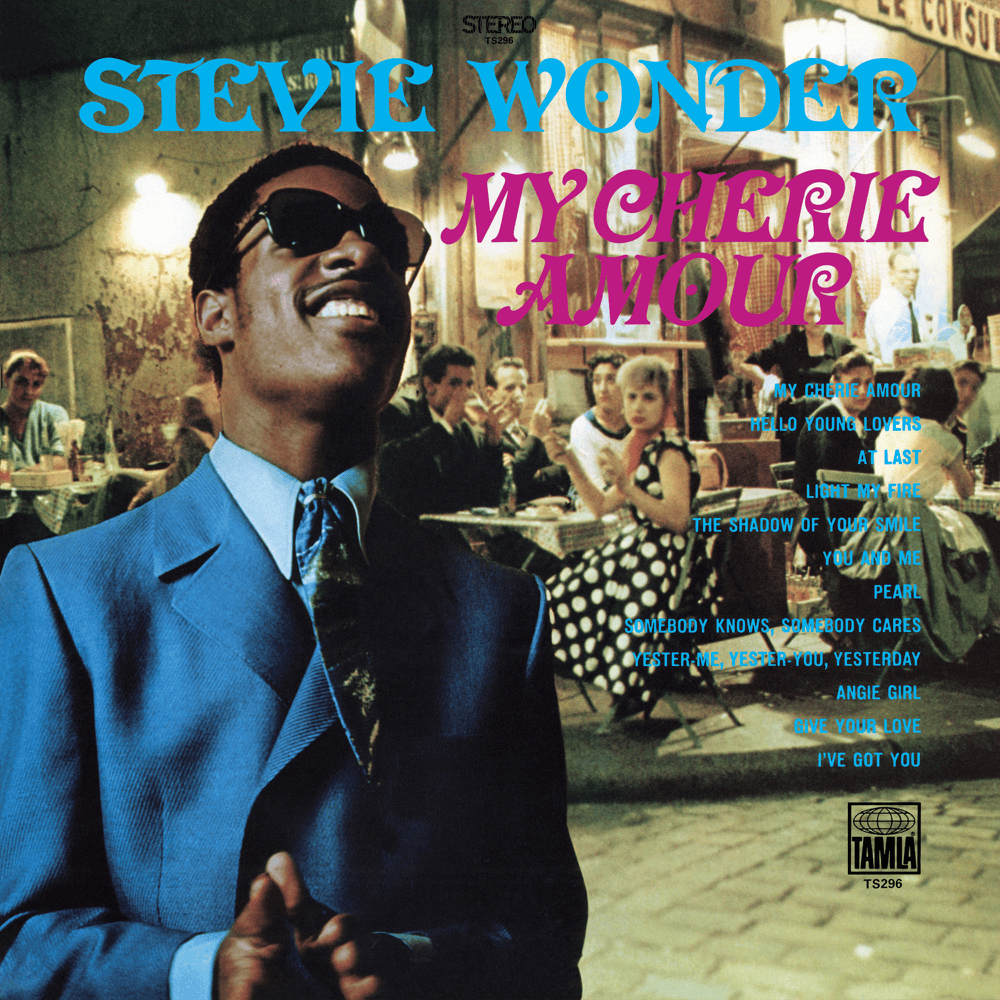
 View Artist