Song Meaning
This track opens with a pleading, almost desperate, plea. The narrator repeatedly asks, "don't you know, baby," emphasizing a fundamental truth he feels the object of his affection is missing. He wants her to "turn your lamp down low," suggesting a desire for intimacy and a private world away from outside observation. The immediate emotional texture is one of yearning and earnest persuasion.
The central tension arises from the narrator's absence and his subsequent return. He admits, "I know I've been away / For such a long, long time," but insists his feelings haven't wavered: "I can't get you off of my mind." This creates a conflict between past distance and present desire, as he tries to bridge the gap and rekindle what they once had. He appeals to shared history, asking, "if you love me / Like I love you, / We can do all the things that we / Used to do."
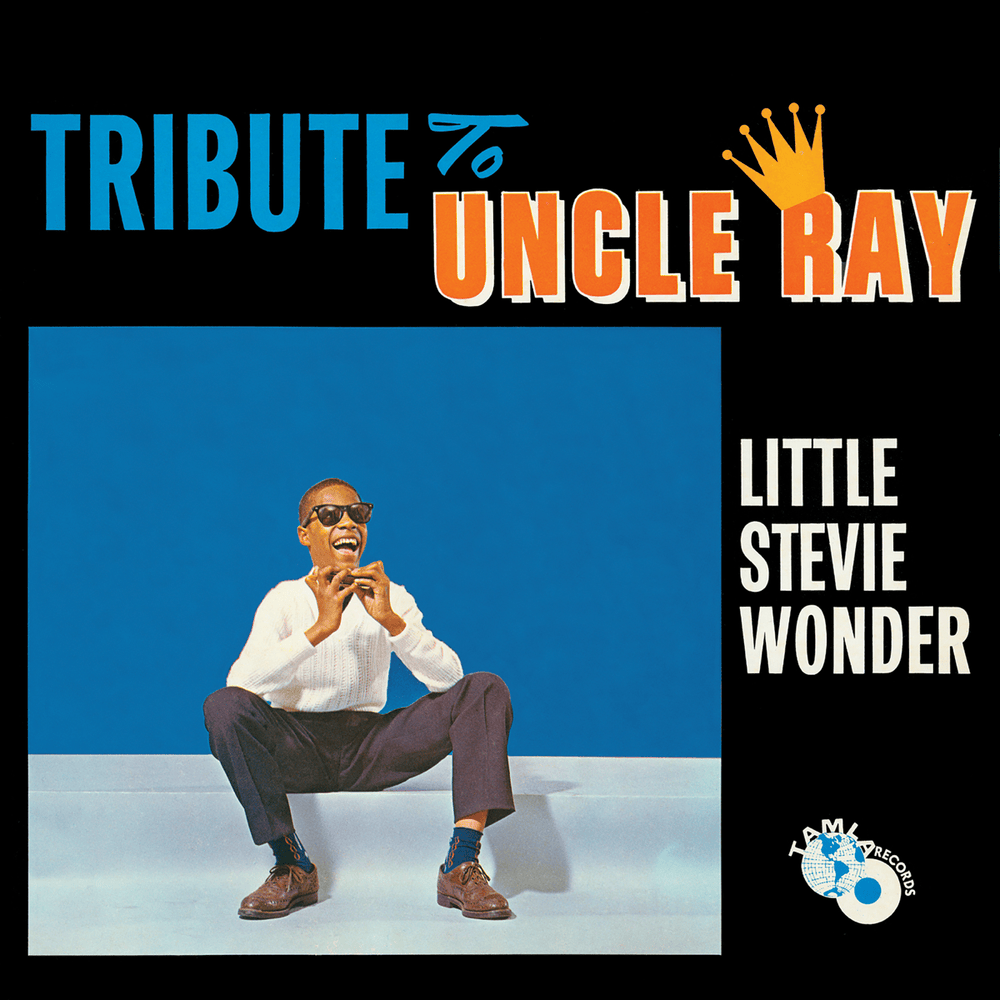
The most striking craft element is the insistent repetition of the phrase "turn your lamp down low." This isn't just a request for dim lighting; it functions as a metaphor for creating a secluded space for their rekindled romance, shutting out the world and its potential judgments. The repeated "don't you know, baby" acts as a foundational question, implying that her understanding of his love or their situation is incomplete. The introduction of Ray Charles into the narrative adds a layer of shared cultural experience and a specific invitation to enjoy the present moment together, suggesting a desire to escape into music and pleasure.
Ultimately, the lyrics' effectiveness lies in their directness and raw emotional appeal. The narrator isn't hiding behind complex metaphors; he's laying his feelings bare with simple, repeated phrases that convey a profound sense of longing. The structure builds from a plea to a shared memory, culminating in an invitation to reconnect and revel in the moment, making the desire for intimacy palpable and urgent.
 View Artist