Song Meaning
This song grapples with the aftermath of a significant loss, framed as a bittersweet farewell. The opening verse offers a gentle acknowledgment of absence, suggesting a community's shared memory and a hope for renewal. The narrator speaks of the necessity of moving forward, a sentiment that feels both communal and deeply personal. It’s a delicate balance between acknowledging pain and embracing the possibility of a new beginning.
The chorus acts as a direct, almost ritualistic, release. The repeated "Fly on, fly on" isn't just a goodbye; it's an encouragement for the departed to find peace and for the living to embrace life anew. This duality is key: the act of letting go is intertwined with the imperative to "live again" and "love again," highlighting the complex emotional landscape of grief and resilience.
The second verse shifts to a more introspective and melancholic tone. The passage of time, marked by "day after day" and "night after night," underscores a lingering sadness. The "long look in the mirror" suggests a confrontation with the self and the past, a realization that their love was perhaps not fully appreciated. The phrase "We took for granted" lands with a heavy weight, revealing a core regret that colors the entire experience of life without the lost individual.
Ultimately, the lyrics articulate the profound impact of a singular absence. The repeated "Life without you" at the end isn't just a statement of fact; it's an echo of that irretrievable past and a stark acknowledgment of the void left behind. The song’s power lies in its quiet confession of regret and its hesitant embrace of a future that must, somehow, continue.
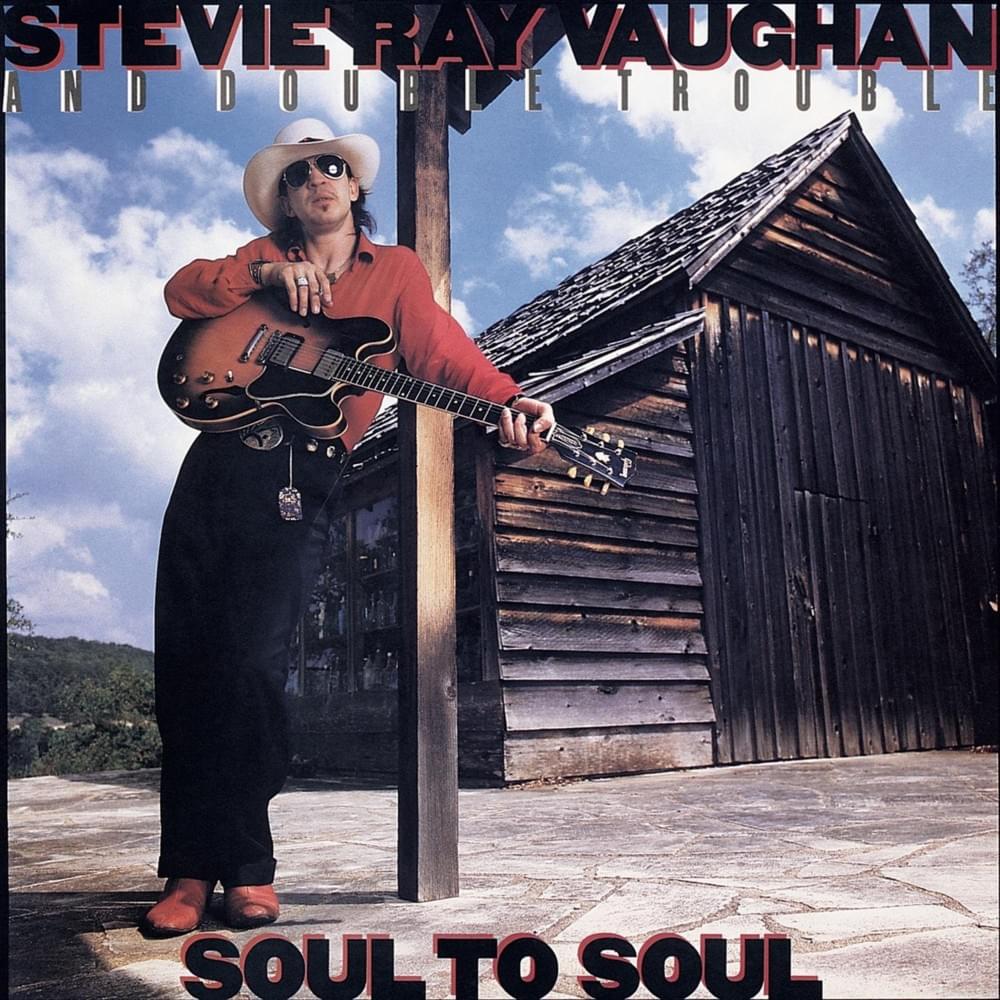
 View Artist