Song Meaning
Stevie Nicks's "Garbo" isn't just a song; it's a shimmering mirage reflecting the intoxicating, isolating, and ultimately corrosive nature of fame. The lyrics paint a picture of a woman caught in a perpetual waltz with her own persona, a dance performed for an audience of strangers and fools. References to iconic actresses like Greta Garbo, Marlene Dietrich, and Marilyn Monroe aren't mere name-drops; they're shorthand for the burdens and illusions of stardom. Nicks invokes these legendary figures to explore the way fame demands a constant performance, where the line between the authentic self and the projected image blurs into nonexistence. The repeated invitation to "forget" serves as both a tempting escape and a stark warning about the price of losing oneself in the glittering facade. Venus, typically a symbol of beauty, loses her luster, suggesting that even classic ideals pale in comparison to the manufactured allure of celebrity.
The song's verses delve into the performative aspect of fame, where "all of us do" play a part. The "silvery dress" becomes a symbol of the costume one wears to maintain the illusion, a garment that both empowers and imprisons. The line, "you mustn't give it up for you're still but a guest," hints at the precariousness of fame, a constant reminder that one's position is temporary and conditional. Nicks captures the addictive quality of this performance, the compulsion to do "what you feel you do best," even if it means sacrificing authenticity and personal connection. The "man in a dark linen suit" could symbolize a forgotten lover or a lost sense of self, an echo from a time before the spotlight consumed everything.
Ultimately, the song meaning in "Garbo" centers on the psychological toll exacted by fame. The imperative to 'forget' underscores the deep sense of dissociation and the potential for self-loss that accompany a life lived in the public eye. Stevie Nicks isn't just singing about the superficial glamour of Hollywood; she's dissecting the internal struggle of maintaining identity and sanity in a world that demands constant performance. The repetition of "forget" in the outro leaves the listener with a haunting sense of the fragility of self and the ever-present danger of becoming a character in one's own life.
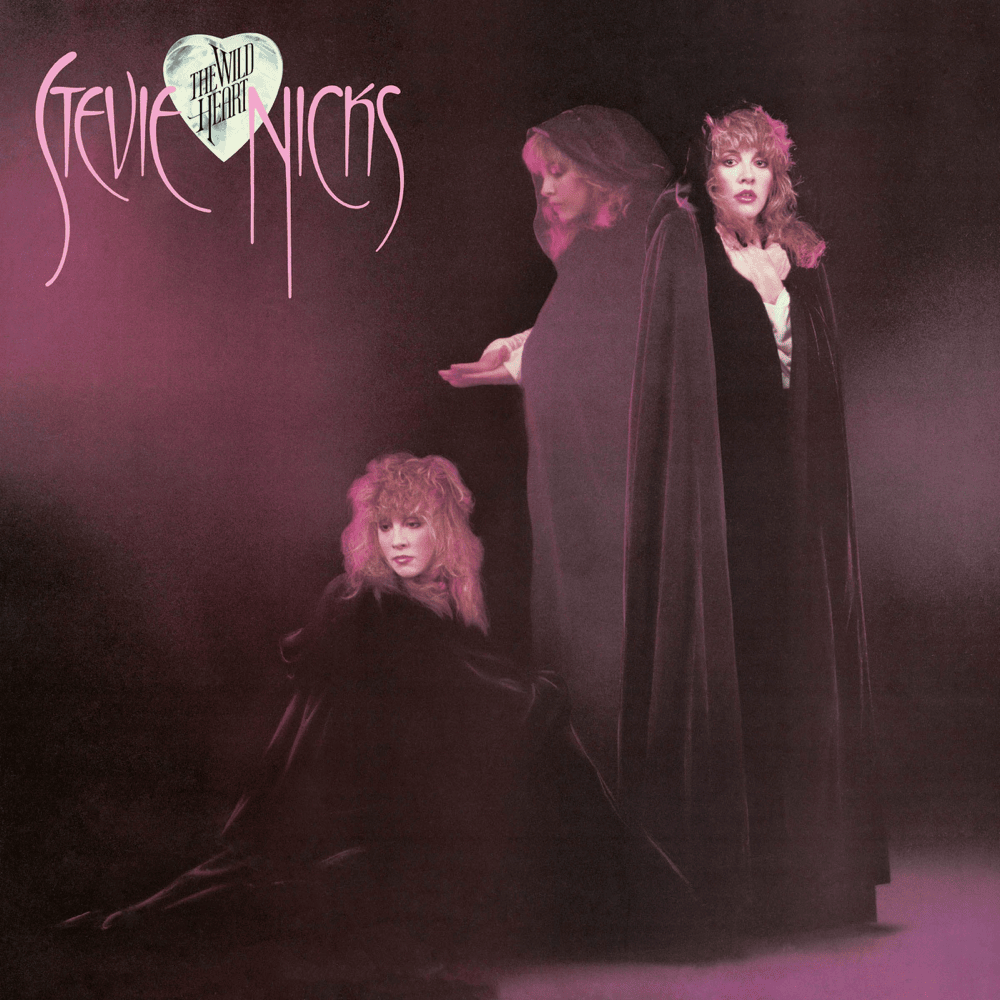
 View Artist