Song Meaning
The lyrics paint a stark picture of intense, almost suffocating, fixation on a single person. The narrator's repeated declarations of not wanting to see, feel, need, or leave anyone but this specific individual establish a powerful, singular focus. This isn't just preference; it's an all-consuming need that shuts out the rest of the world. The verses build this feeling of isolation, where the only point of reference is the object of their obsession.
The central tension emerges in the chorus, contrasting the desire for authenticity with an internal emptiness. The narrator poses a question about how it feels to want to be real but find 'nothing inside,' suggesting a shared or perceived lack in the other person. This is immediately followed by a personal confession: the sound of rain inexplicably triggers thoughts of this person, a connection the narrator struggles to articulate. The phrase 'Whatever you think, Well, you're wrong' acts as a defiant dismissal of any external perception or the other person's potential understanding of their situation.
The most striking craft element is the relentless repetition in the verses, hammering home the narrator's singular desire. This structure, combined with the stark negative phrasing ('Don't wanna...'), creates a sense of desperation and confinement. The contrast between the desire for connection ('want to be real') and the acknowledgment of internal void ('nothing inside') is particularly potent, hinting at a complex emotional landscape beneath the surface-level obsession. The rain, a common trope for melancholy, here becomes a specific, almost involuntary trigger for the narrator's fixation, adding a layer of passive surrender to their own feelings.
These lyrics hit hard because they capture the isolating and often irrational nature of intense longing. The writing doesn't shy away from the possessive and dismissive aspects of this fixation, particularly with the blunt 'Well, you're wrong.' It grounds the abstract feeling of obsession in concrete, albeit simple, actions and desires, making the narrator's emotional state feel palpable and raw. The unresolved tension between wanting to be 'real' and feeling 'nothing inside' leaves the listener contemplating the nature of connection and the internal struggles that drive such singular focus.
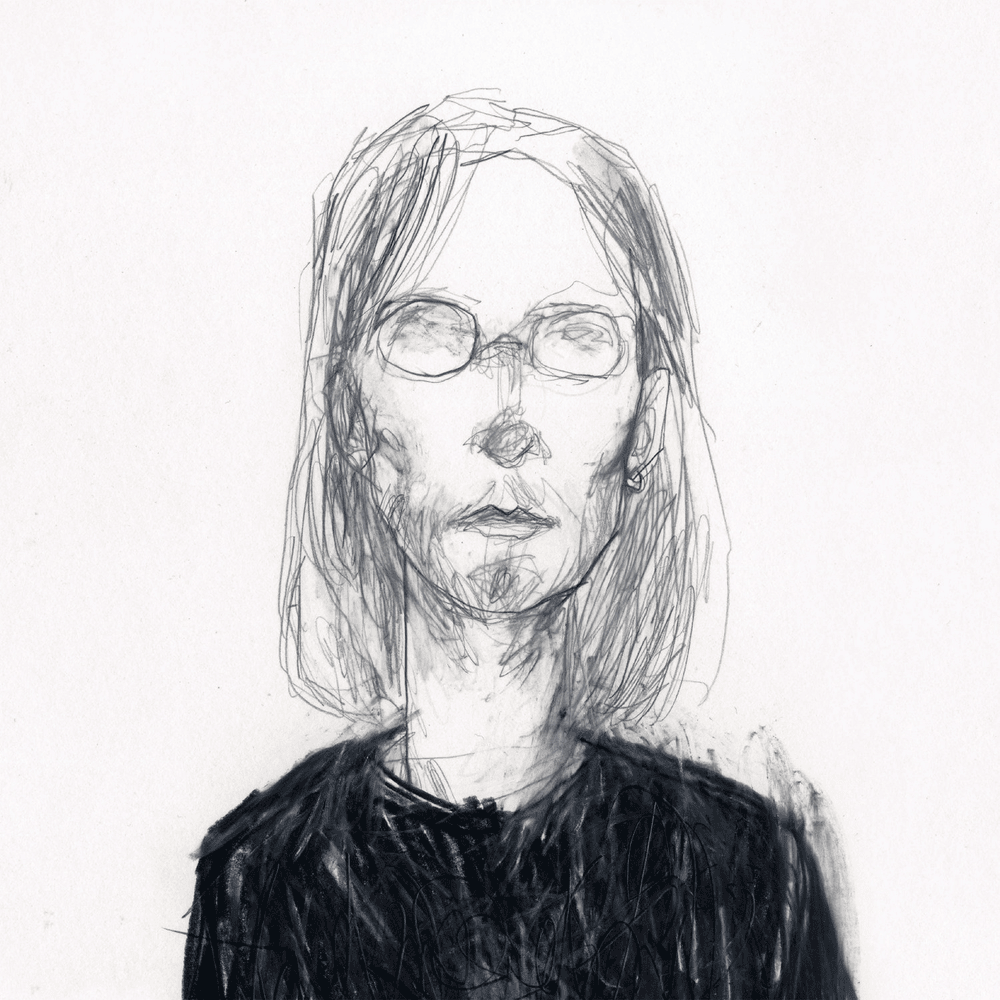
 View Artist