Song Meaning
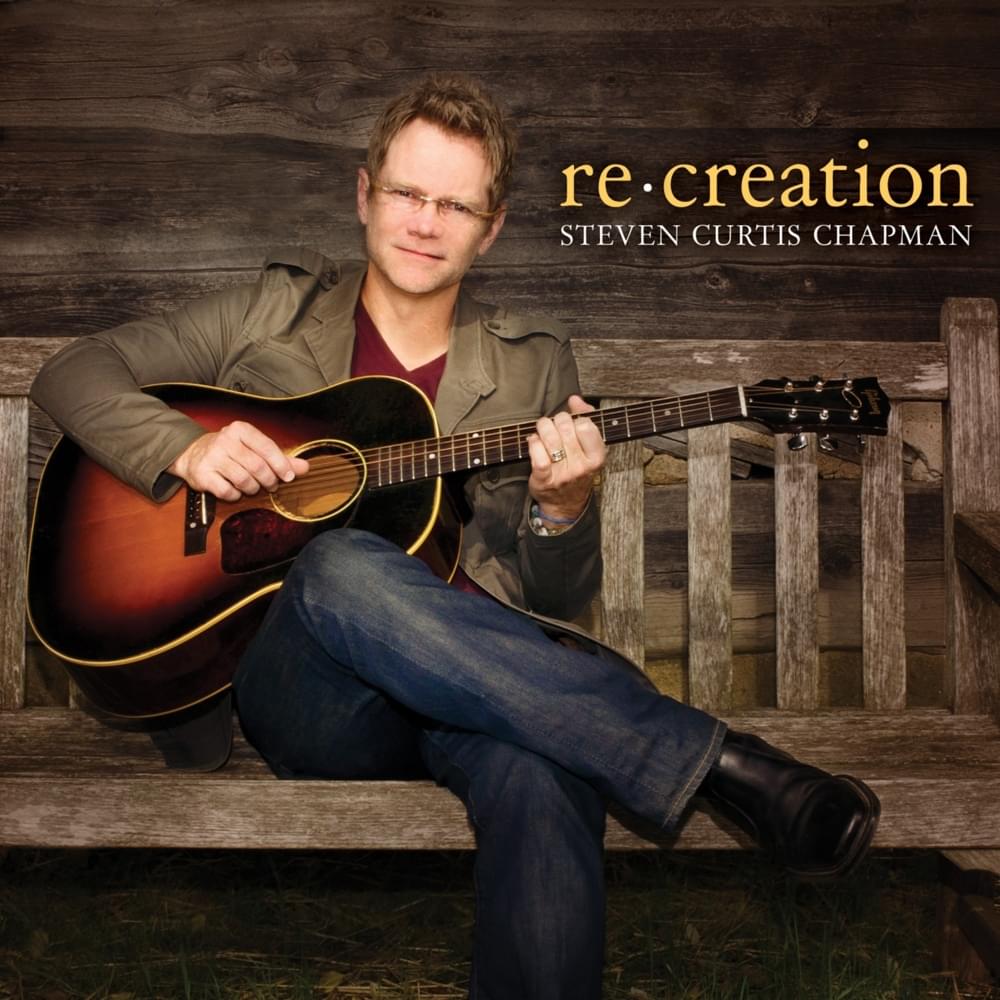
Steven Curtis Chapman's "Sing Hallelujah" isn't just a gospel tune; it's an anthem of resilience, a musical sunrise after a long night of the soul. The simplicity of the lyrics belies a deeper understanding of the human condition: the patient endurance required to reach a moment of joy. Chapman taps into that primal hope, that ingrained belief that even the darkest skies eventually yield to the sun's return. It's a sonic manifestation of delayed gratification, where the anticipation itself amplifies the eventual elation. "We knew joy was coming / But we just had to wait" encapsulates this sentiment perfectly, acknowledging the often-arduous journey toward happiness.
"Sing Hallelujah" functions as an invitation, a call to collective catharsis. It transcends mere religious expression, morphing into a universal expression of hope and renewal. The repetition of "Sing hallelujah" serves as a rhythmic mantra, a sonic trigger designed to break through personal barriers and foster a sense of unity. The imagery of creation singing suggests a harmony that encompasses not only humanity but the entire cosmos, amplifying the song's message of rebirth and shared experience. It subtly rejects isolation, instead promoting communal healing through shared expression.
The song's brilliance lies in its accessibility. It doesn't demand theological expertise or adherence to specific doctrines. Instead, it offers a simple, yet profound, message of hope that resonates on a deeply human level. "The Father is calling / To come out and play" evokes a sense of childlike wonder and freedom, a reminder that even in the face of adversity, joy remains a fundamental aspect of the human experience. In essence, "Sing Hallelujah" is a sonic balm, a reminder that even after the longest night, a new day inevitably dawns.
 View Artist