Song Meaning
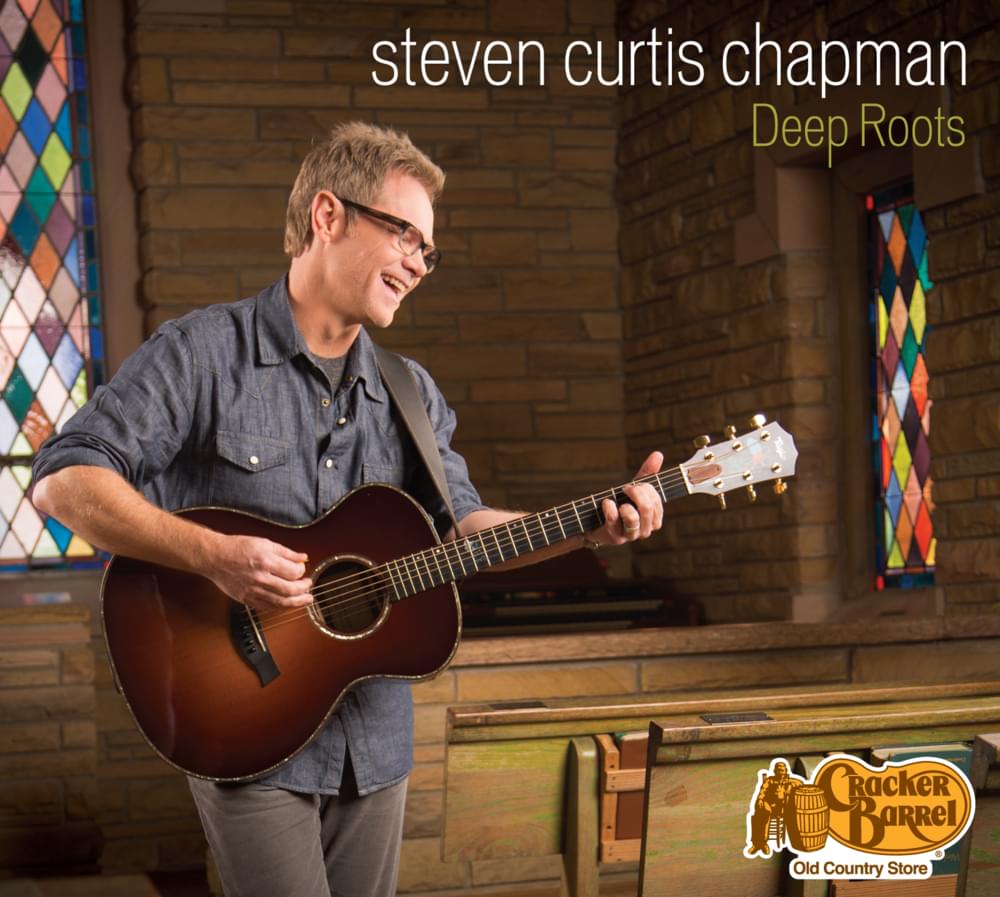
Steven Curtis Chapman's rendition of "Rock of Ages" isn't just a hymn; it's a primal scream for refuge. Stripped bare, the lyrics reveal a yearning to escape the self, to dissolve within something larger and immutable. The 'Rock of Ages' becomes both confessional and bomb shelter, a place to 'hide' from the inherent messiness of human existence. It's a stark acknowledgement of personal inadequacy, the recognition that neither willpower nor good intentions can truly cleanse the 'double cure' of sin and wrath Chapman sings about.
The psychological weight of the song lies in its confrontation with mortality. The fleeting nature of breath, the closing of eyes in death, and the daunting image of judgment all point to a deep-seated anxiety about the unknown. The repeated plea, 'Let me hide myself in Thee,' isn't just religious piety; it's a desperate attempt to control the uncontrollable, to find solace in a world defined by its impermanence. Chapman's delivery amplifies this sense of urgency, transforming a familiar hymn into something profoundly personal.
Ultimately, "Rock of Ages", as interpreted by Chapman, functions as a musical embodiment of existential dread and the search for meaning in the face of oblivion. The 'Rock' isn't merely a divine entity; it's a symbol of stability, a bulwark against the chaotic forces of life and death. The song's power resides in its raw honesty, its willingness to confront the uncomfortable truths about human frailty and the universal need for something to believe in, something to hide within.
 View Artist