Song Meaning
Steven Curtis Chapman's remix of "O Come, O Come, Emmanuel" isn't just a Christmas carol; it's a potent expression of collective longing. The song meaning cuts to the core of human hope, specifically focusing on a yearning for deliverance from suffering. The opening verses paint a stark picture of "captive Israel," a metaphor for anyone feeling trapped in "lonely exile." This isn't just historical; it’s a timeless representation of the human condition, that feeling of being lost and yearning for a savior. Chapman's rendition taps into this primal desire for rescue. It speaks to the universal experience of wanting an end to the darkness. The lyrics themselves are a prayer, an invocation.
The repeated plea, "O come, Thou Dayspring, come and cheer / Our spirits by Thine advent here," highlights a need for not just salvation, but also emotional and spiritual rejuvenation. "Dayspring" suggests a new dawn, a fresh start, and the lyrics emphasize the need to dispel "gloomy clouds of night." This isn't just about physical darkness; it's about the darkness of despair, doubt, and fear. The song’s power resides in its ability to articulate a collective desire to vanquish these internal and external struggles. It's a musical embodiment of hope against seemingly insurmountable odds.
The chorus, with its insistent command to "Rejoice!," acts as an emotional counterpoint to the verses' somber tone. It's a declaration of faith, a defiant act of optimism in the face of adversity. The repetition of "Emmanuel shall come to thee, O Israel!" serves as an anchor, a reminder of the promise of divine presence and intervention. The song's genius lies in its juxtaposition of lament and hope. It acknowledges the pain of existence while simultaneously offering a pathway to joy and redemption. Chapman's remix amplifies this inherent tension, creating a powerful and moving listening experience that resonates deeply during the holiday season and beyond.
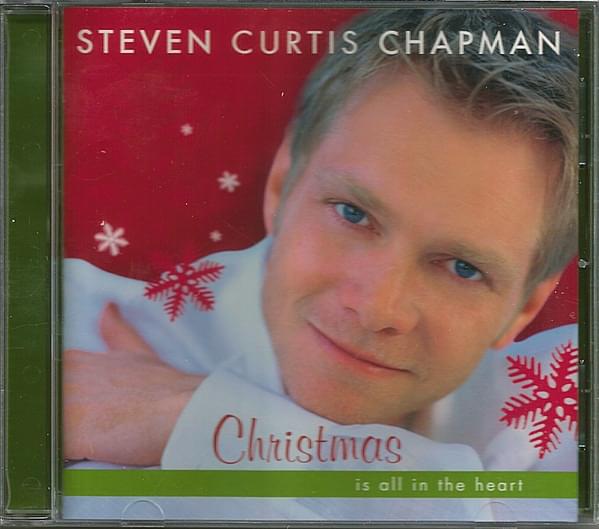
 View Artist