Song Meaning
The narrator is caught in a desperate loop, yearning to undo the past and escape the pain of a love that seems inherently sorrowful. The opening lines express a profound inability to move on, a wish to return to a time before this heartbreak took hold. This desire to forget is immediately countered by the acknowledgment that the object of affection will likely cause more pain, creating a central tension between the need for solace and the inevitability of further hurt. It's a plea for refuge, a search for a place to shield a "lonely face" from the emotional onslaught.
The core of the song is the repeated, almost chanted question: "Why does love got to be so sad?" This isn't just a rhetorical query; it's an expression of bewildered anguish, a fundamental questioning of love's nature when it brings so much suffering. The narrator feels trapped, comparing themselves to a "moth to a flame," drawn irresistibly to something that promises destruction. Yet, paradoxically, this same destructive force has also inspired a "brand new song to sing," suggesting that even within the pain, there's a strange, compelling energy.
The lyrics reveal a shift from passive suffering to a more active, almost menacing resolve. The narrator sees "what a fool you've made of me" and hints at drastic actions, even suggesting they "might have to break the law" to confront the person who holds their heart. This escalation from wishing to forget to contemplating illegal acts underscores the depth of their desperation and the destructive power of this unrequited or painful love. The final plea, "You know I can't go on living without you," solidifies the narrator's complete dependence, even as the love itself is the source of their misery.
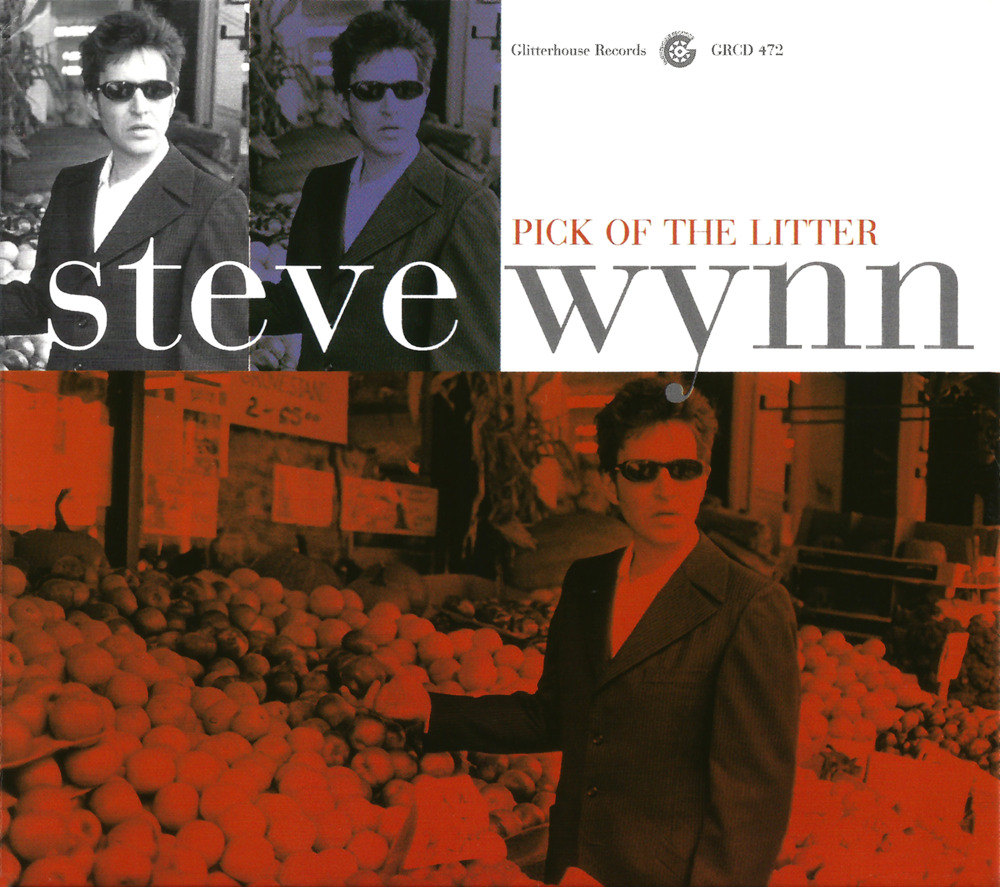
 View Artist