Song Meaning
This track paints a picture of illicit, exhilarating escape. The narrator embraces "petty sin" and a "lights out" mentality, finding freedom in moments stolen away from societal norms. The core of the song is the recurring phrase "On our own when all the squares go home," establishing a clear dichotomy between the "squares" and the narrator's chosen path of indulgence and recklessness. This isn't about grand rebellion, but a more intimate, almost clandestine, defiance.
The central tension lies in the pursuit of intense, perhaps fleeting, pleasure and the avoidance of mundane reality. The bonfire scene, with its fading booze but lingering "amazing" smoke, captures this perfectly – the experience is potent even as its material components disappear. The line "Got enough sugar, I can kill the pain" suggests a self-medicating element to this escapism, a way to numb discomfort and amplify the highs. The narrator's taunt, "Don't you wish that you could feel this good someday?" highlights a sense of superiority and exclusivity in their chosen lifestyle.
The most striking craft element is the stark, almost judgmental, labeling of outsiders as "squares." This simple, dismissive term immediately creates an "us vs. them" dynamic, elevating the narrator's actions and experiences as more authentic or exciting. The imagery of digging a hole to "lie inside and lose control" is primal and suggests a desire for complete surrender, a return to something raw and uninhibited. The final plea, "Throw me a bone when all the squares go home," is a desperate, almost animalistic, request for validation or sustenance within this self-created sanctuary.
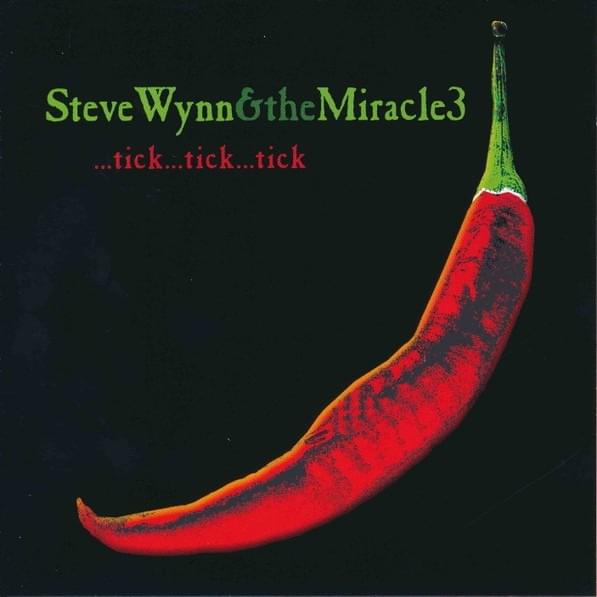
 View Artist