Song Meaning
This track immediately throws us into a specific, unsettling scene: a man named Big B.J. in Carolina, whose school is "founded on caucasian rule." His bumper sticker, "Honkies If You Love The Lord," sets a stark, ironic tone. The lyrics quickly establish a critique of exclusionary, race-based systems masquerading as piety. The opening paints a picture of a deeply ingrained, yet absurd, form of prejudice.
The central tension arises from the clash between supposed religious devotion and blatant racial segregation. The narrator directly challenges this hypocrisy, asserting, "We don't need no colour code." This isn't just a plea for tolerance; it's a forceful rejection of rules and systems that divide people, especially when those systems are built on flawed interpretations of faith or morality. The call to "burn your cap and gown" suggests that such institutionalized prejudice is a perversion of true learning and spiritual growth.
The writing employs sharp, confrontational imagery to dismantle racist ideologies. Phrases like "White man speak with forked tongue" and "White supremists eat their young" are visceral condemnations, stripping away any pretense of civility. The lyrics also question the authority behind such divisive doctrines, asking "Whose translation do you read?" This highlights how interpretations of scripture or ideology can be manipulated to justify bigotry, a point underscored by the reference to "Marching to Pretoria," evoking historical racial oppression.
Ultimately, the effectiveness of these lyrics lies in their unflinching directness and potent word choice. They refuse to soften the blow of confronting racism, instead using vivid, almost shocking language to expose its ugliness. By juxtaposing religious language with hateful actions and ideologies, the song creates a powerful indictment of those who use faith to legitimize prejudice, urging listeners to reject such "colour codes" outright.
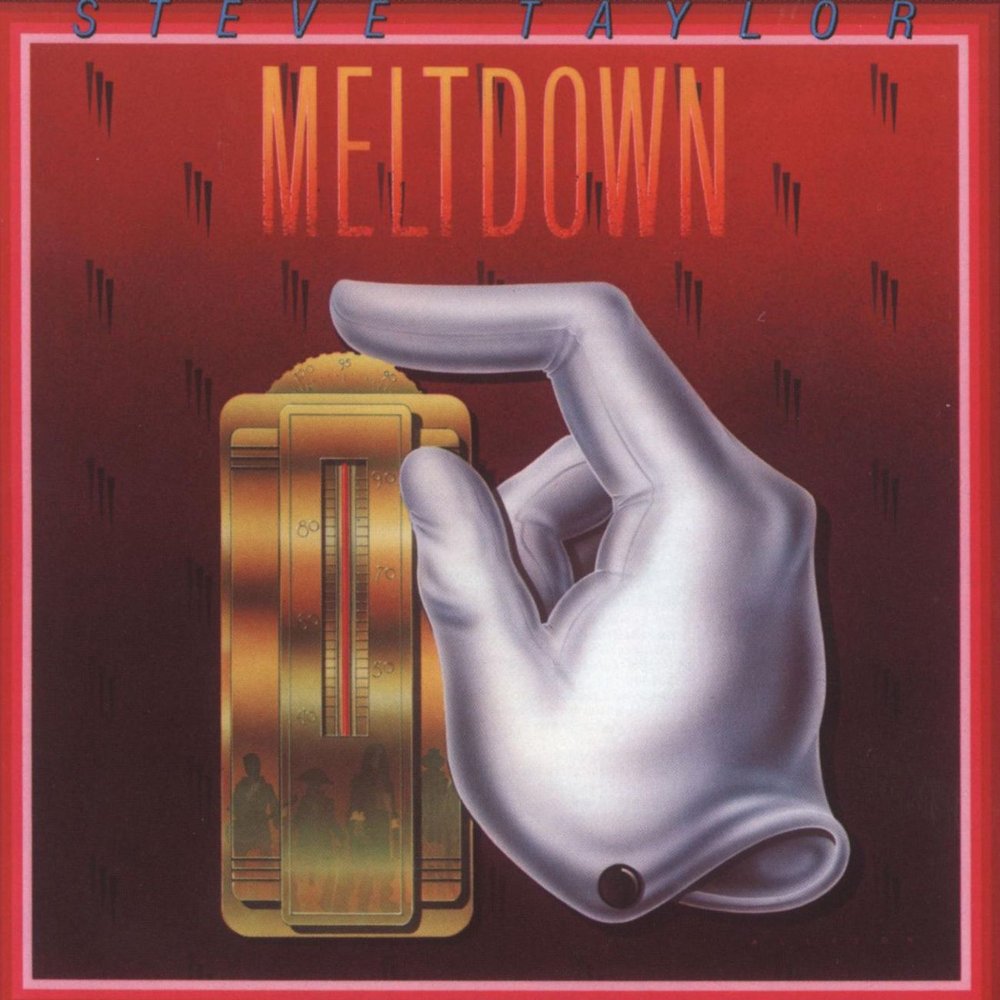
 View Artist