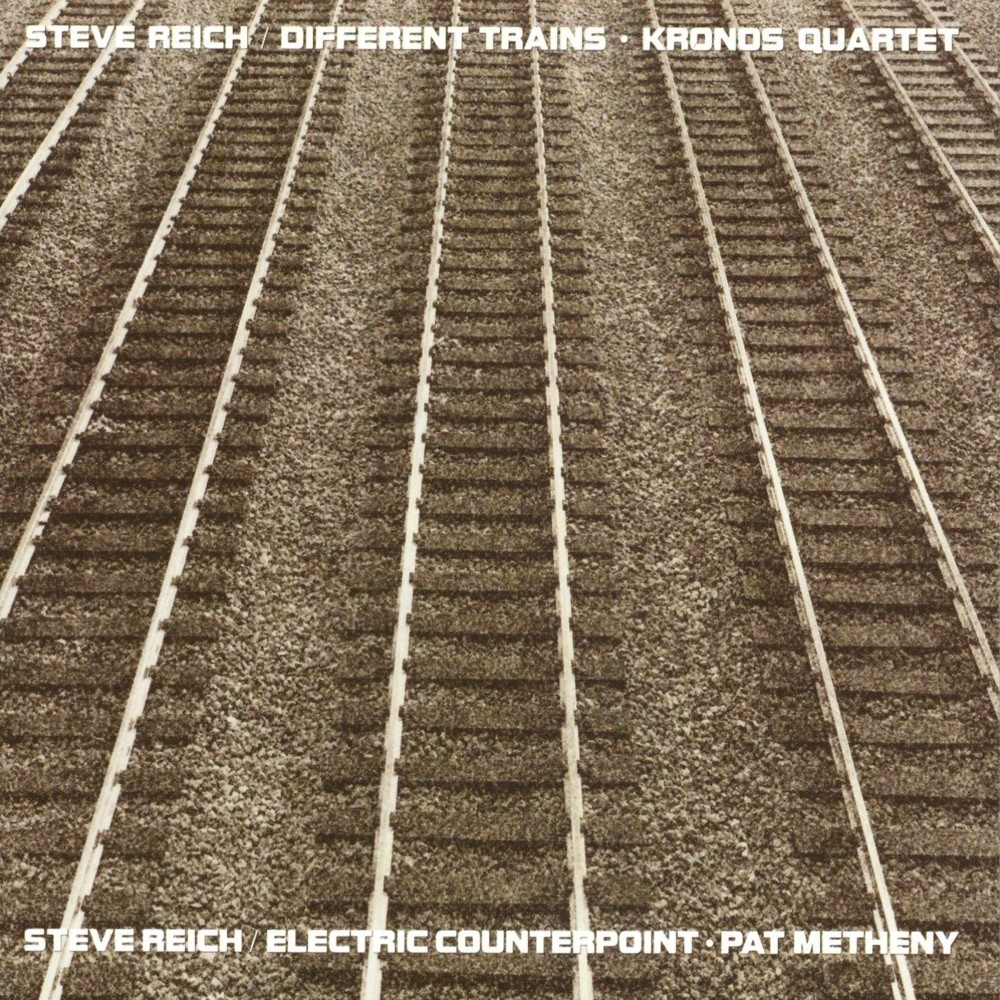
Song Meaning
The lyrics paint a picture of American travel in the late 1930s and early 1940s. We hear about specific routes like Chicago to New York and New York to Los Angeles, highlighting the speed and variety of train journeys available. The mention of a "crack train" suggests a sense of efficiency and perhaps even prestige associated with these modes of transport. It establishes a baseline of movement and connection across the country.
The dominant feeling is one of ordinary, everyday transit, but the specific years mentioned – 1939, 1940, 1941 – hang heavy with unspoken context. These aren't just random dates; they mark the cusp of immense global upheaval. The narrator seems to be recalling a time when travel was a given, a routine part of life, before the world irrevocably changed. The repetition of "Different trains everyday" emphasizes this sense of normalcy.
The craft here is in its stark simplicity. There are no elaborate metaphors or complex emotional declarations. Instead, the power comes from the juxtaposition of mundane travelogue details with the loaded historical period. The casual mention of the years, particularly "1941 I guess it must've been," feels like a memory struggling to pinpoint a precise moment, a subtle hint that this era of easy travel was about to be shattered. The focus on specific routes and the "crack train" grounds the listener in a tangible reality that is about to be contrasted with something far more devastating.
This piece works because it uses the ordinary to foreshadow the extraordinary. By detailing the simple act of taking trains across America, it creates a poignant sense of what was lost. The listener, aware of the historical backdrop of these years, feels the weight of the impending change. The lyrics suggest a profound shift from a time of open roads and swift journeys to something else entirely, leaving the listener to contemplate the fragility of that perceived freedom.