Song Meaning
These lyrics open with a gentle, almost wistful observation, immediately setting up a contrast between the visible and the unseen. The speaker points out that true clarity, like seeing "the stars after a setting sun," often requires a moment of quiet or an ending. This wisdom quickly pivots to a critique of those who "run for the money," suggesting they are missing out on something more profound.
The central tension here lies in the human tendency to chase tangible, often artificial rewards at the expense of deeper, more natural fulfillment. The speaker laments a "lonesome man" in a "desert land," implying that this relentless pursuit of wealth leads to spiritual barrenness. There's a clear yearning for healing and wholeness, a call to "grow the tree of wholeness" in this parched emotional landscape.
The most striking craft element is the vivid, contrasting imagery. "Wild mountain honey" stands as a potent metaphor for authentic, unadulterated joy or wisdom—something natural, perhaps hard-won, and inherently sweet. This is starkly pitted against the cold, manufactured "golden machine" and the abstract "money," which the lyrics imply leads to a profound lack of awareness. The direct address to "mama," "papa," and "children" makes this critique feel personal, like a family elder imparting crucial life lessons.
Ultimately, these lyrics are effective because they frame a universal critique of materialism through intimate, almost familial appeals. The repeated chorus reinforces the central argument, creating a memorable and thought-provoking refrain that challenges listeners to consider their own priorities. It's a quiet but firm reminder that some of life's richest rewards are often found off the beaten path, far from the relentless "run for the money."
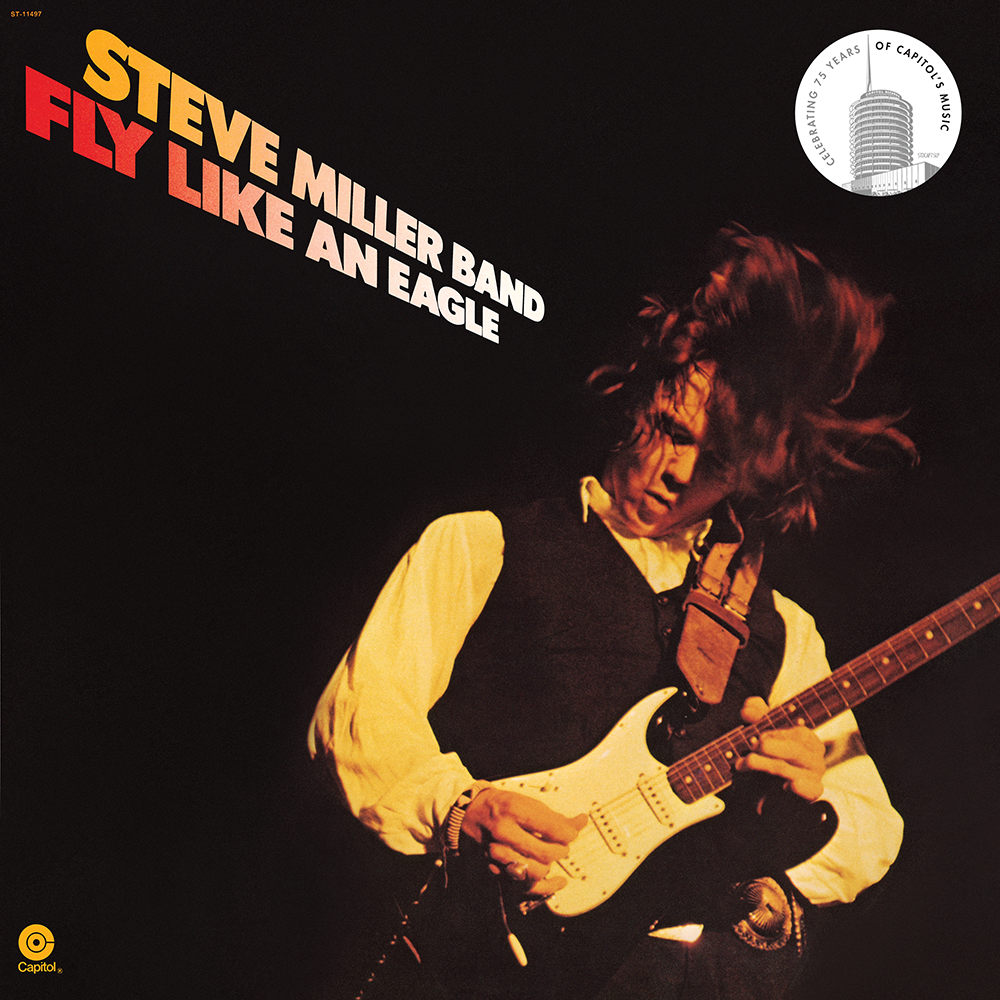
 View Artist