Song Meaning
The lyrics open with a speaker gently observing the natural cycle of "Summer, fall, winter, spring," promising to "sing" to someone navigating their life. There's an immediate sense of quiet guidance and the vastness of existence. The recurring phrase "In the wind" subtly underscores life's transient and often unmoored quality.
A poignant tension emerges as the speaker acknowledges their own mortality. The line "When this warm old man has gone" introduces a stark awareness of impermanence, suggesting a finite window for this direct counsel. Yet, the speaker's commitment to "sing your of your birth" persists, implying a legacy of wisdom intended to outlast their physical presence. This creates a bittersweet sense of enduring care against the backdrop of inevitable change.
The craft here hinges on the powerful repetition of "As you spend your time on Earth / In the wind." This phrase acts as a constant, almost meditative refrain, emphasizing the fleeting nature of human existence within a larger, indifferent world. The shift in Verse 3 from "help you through your birth" to "tell you of your worth" is particularly striking, evolving the speaker's role from a general guide to a specific source of affirmation. It highlights a deeply personal investment in the listener's self-perception.
The lyrics achieve their emotional resonance by blending this humble, personal guidance with the grand, inescapable sweep of time. The speaker, acknowledging their place as "I'm only one" in a "crowd," still offers profound reassurance. The cyclical structure, reinforced by the "And so it goes, as the wind blows" outro, creates a comforting yet melancholic sense of continuity. It suggests that even as individuals pass, the fundamental rhythms of life and the echoes of wisdom endure.
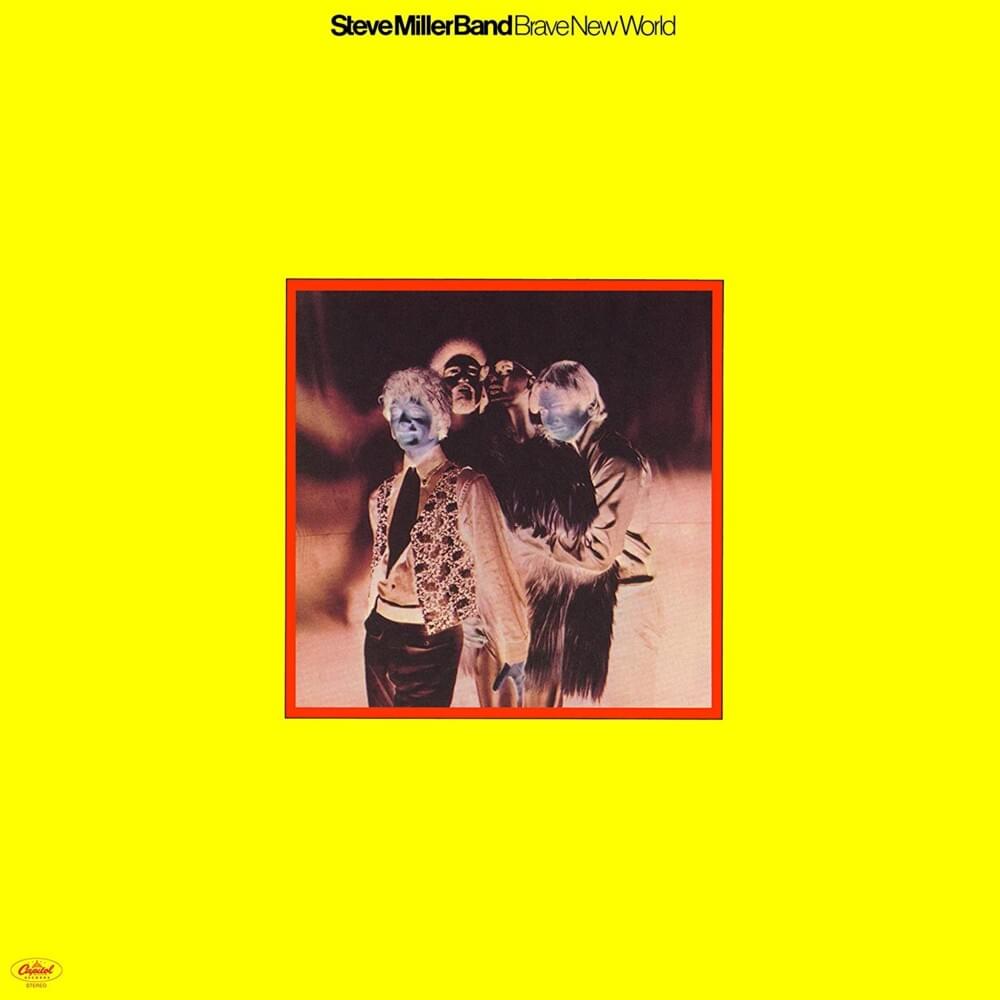
 View Artist