Song Meaning
The lyrics paint a stark, repetitive picture of a speaker being called home by "baby." There's an immediate sense of urgency and deep sorrow. The speaker hates seeing "baby" cry, revealing a profound emotional bond. This isn't just a simple homecoming; it's tinged with a heavy, impending sense of loss.
The core tension lies in the heartbreaking juxtaposition: "baby's" persistent call for home against the speaker's grim reality. The line "My baby knows I'm dyin'" shatters any illusion of a happy reunion. The call home, then, isn't just about physical return; it becomes a desperate plea, perhaps for comfort in final moments, or a yearning for a connection that transcends the inevitable. The line "Baby knows I've been wrong" adds a layer of past regret, suggesting a history that makes this current predicament even more poignant.
The relentless repetition of "Baby's callin' me home" creates a hypnotic, almost mournful chant. This isn't just a catchy chorus; it amplifies the sense of an inescapable pull, a call that echoes in the speaker's final moments. The subtle shift in conjunctions, from "but" to "when," subtly alters the dynamic. "But" highlights the defiance of her hope against his fate, while "when" suggests her call is inextricably linked to his dying, perhaps even a response to it.
These lyrics are effective because they strip away all extraneous detail, focusing solely on the raw emotional core of love, loss, and impending farewell. The sparse language and cyclical structure mirror the speaker's confined perspective, trapped between a loving summons and his own mortality. It forces the listener to confront the profound sadness of a loved one's desperate hope in the face of an irreversible end, making the simple phrase "callin' me home" resonate with both tenderness and tragedy.
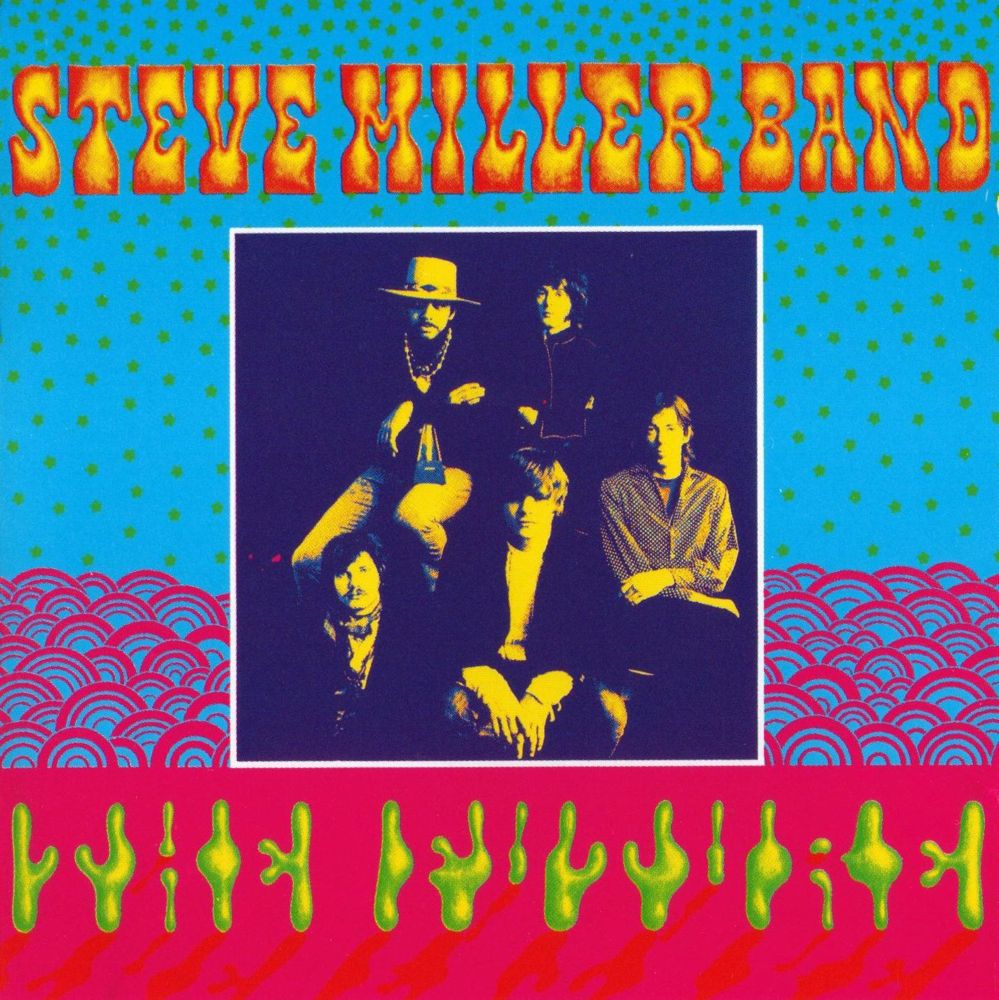
 View Artist