Song Meaning
Steve Lukather's "Never Walk Alone" isn't just a rock ballad; it's an emotionally raw exploration of loss and the enduring power of memory. The opening lines, lamenting the search for truth and the futility of waiting, immediately establish a landscape of disillusionment. Lukather isn't singing about a fleeting heartbreak; he's grappling with a deeper existential loneliness, amplified by the feeling that "love ain't real anymore." The song meaning hinges on this central tension: the pain of absence versus the persistent presence of the past.
The recurring motif of staring at a photograph serves as a powerful focal point for this internal struggle. It's not just a passive act of remembrance but an active engagement with a lost connection. The tactile and visual details – "the touch of your hand," "the look in your eyes" – suggest a desperate attempt to transcend the boundaries of time and space, to momentarily resurrect what's been lost. This sensory recall is both a comfort and a torment, highlighting the paradoxical nature of grief. The lyrics hint at a relationship that was once deeply meaningful, a time "when we cared," now irrevocably in the past.
The chorus, with its repeated declaration, "I never walk alone," offers a complex resolution. It's not a simple statement of resilience, but rather an acknowledgement that the presence of the lost loved one continues to shape the singer's experience, even in death. The accompanying feelings of despair – "I feel just like dying," "my heart turns to stone" – underscore the profound impact of this absence. The insistence that he "never walk alone" suggests that the memory, though painful, provides a form of solace, a constant reminder of a love that transcends physical presence. In this lyrics analysis, Lukather isn't just singing about heartbreak; he's articulating the enduring power of love to shape our identities, even in its absence.
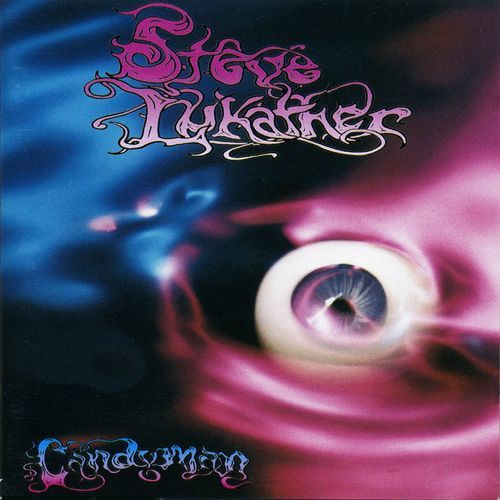
 View Artist