Song Meaning
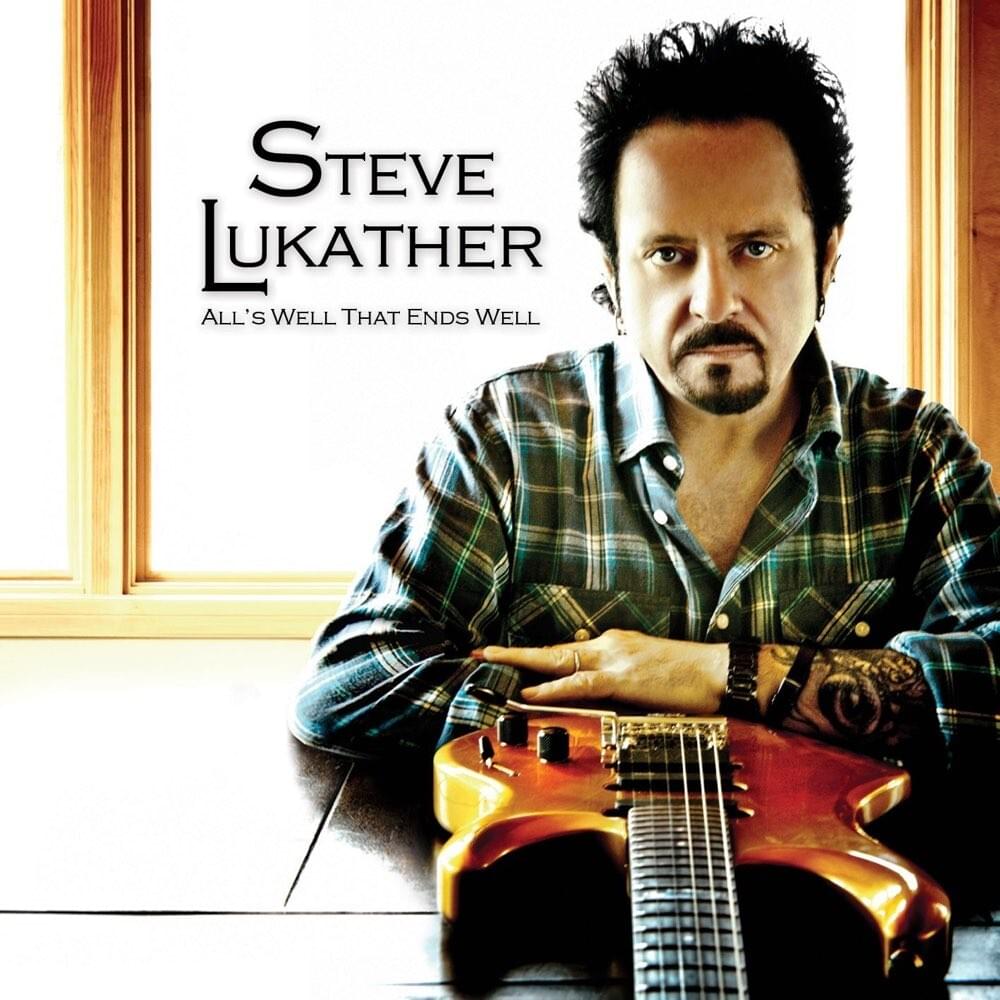
Steve Lukather's "Don't Say It's Over" bleeds with the raw ache of a relationship teetering on the precipice. The opening lines paint a stark picture of emotional exhaustion – "a lie out of breath," tears freely flowing in an empty room. It’s the kind of visceral imagery that suggests not just a breakup, but a profound sense of betrayal or disillusionment that has eroded the very foundation of connection. The repeated declaration, "My heart just melts away," speaks to a complete surrender to despair, a feeling of utter helplessness in the face of impending loss.
The core plea, "Don't say it's over," isn't just a simple request; it's a desperate clinging to hope in the face of overwhelming evidence. It is a primal fear of the void that finality represents. The repetition of "over, over, the end" in the chorus underscores the cyclical nature of grief, the obsessive replay of the impending doom in the speaker's mind. This isn't about logic; it's about the raw, irrational terror of losing a vital part of oneself.
Beyond the immediate pain of separation, the lyrics hint at a deeper, perhaps even existential, crisis. Lines like "Is it ever gonna change / This emptiness inside" suggest a pre-existing vulnerability, a void that the relationship, however flawed, had temporarily filled. The reference to "crossing my seventeen" is particularly poignant, evoking a sense of lost innocence and a yearning for a simpler time before the complexities of love and loss took hold. The song becomes an anthem of desperate hope battling against the crushing weight of inevitability, a universal struggle rendered with Lukather's signature intensity.
 View Artist