Song Meaning
The lyrics paint a picture of a past relationship, tinged with a melancholic curiosity about a former lover's present state. The opening questions, referencing existentialist philosophy and the blues, immediately establish a tone of concern and perhaps a hint of dramatic flair. The narrator wonders if their ex is grappling with deep despair or finding solace, posing stark contrasts like "needle beside your hand" against "promised land." This sets up a central tension: the unpredictable nature of life's choices and the potential for both destruction and salvation.
The core emotional conflict seems to stem from a shared, perhaps reckless, past and the narrator's lingering questions about the consequences for the other person. The line "We burned our bridges fast those days" suggests a period of impulsive decisions and severed ties, now viewed with a pragmatic, almost cynical, detachment: "Don't think about them it doesn't pay." Yet, the persistent return to "Jane Austen's door" implies a hidden, perhaps more vulnerable, reality behind a composed facade.
The most striking image is "the child behind Jane Austen's door." This juxtaposition of the innocent child with the refined, orderly world associated with Jane Austen creates a powerful sense of hidden complexity or suppressed emotion. It suggests that beneath a seemingly proper exterior, there might be a profound, perhaps even childlike, vulnerability or a secret life. The narrator's memory of them crying "inside Jane Austen's door" reinforces this idea of private sorrow within a public or composed persona.
This lyrical approach is effective because it uses evocative, almost literary, allusions to hint at deep emotional states without explicitly stating them. The narrator’s questions aren't just about the ex-lover but also about the choices and consequences that defined their shared past. The final image of the "child behind Jane Austen's door" leaves the listener with a lingering sense of unspoken depth and the poignant realization that appearances can be deceiving, especially when reflecting on lost connections.
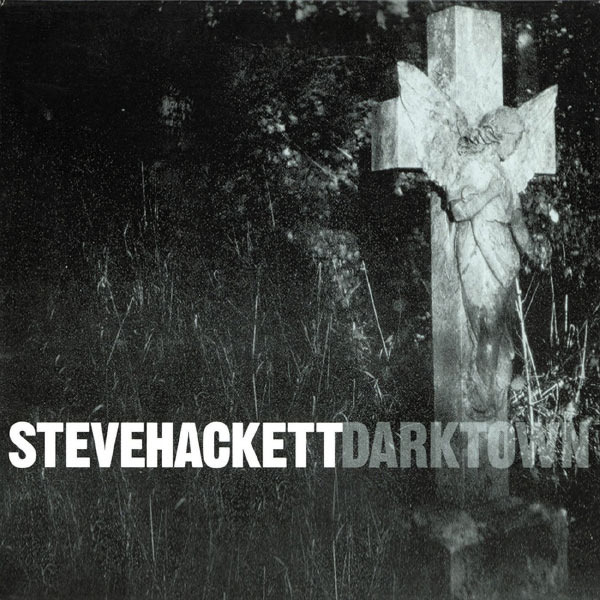
 View Artist