Song Meaning
The lyrics paint a picture of an urgent, almost fantastical invitation to escape reality, framed by a devoted narrator ready to whisk someone away. The opening lines establish a sense of unwavering availability: "if you need to why don't you call on me / That's what I'm made for I'll be around." This isn't just passive waiting; it's an active readiness to initiate an escape, as suggested by "Through your window are you ready to go." The imagery conjures a dreamlike destination, a "Neverland" lit by "fires that glow," where the act of leaving becomes an exhilarating flight, "Under sail we're lovers in flight."
The core tension lies between the mundane reality and the allure of this magical escape, encapsulated by the repeated command, "Enter the night." This night isn't just darkness; it's a portal. The lyrics describe it as a "bridge to the stars" and a "Rainbow road nearer by far," contrasting with the persistent "Bright flames burn through the days." The narrator positions themselves as the guide, using "lanterns of love" to ensure a perpetual state of youthful bliss, "Held fast you'll never grow up."
The most striking craft element is the consistent use of elevated, almost celestial imagery to describe a romantic escape. The narrator's devotion is profound, promising to "Sound a thousand violins on a sweet summer night." The description of the beloved's "hair like coal black clouds" is a beautiful, dark contrast to the bright, hopeful imagery elsewhere. The lyrics suggest a desire to break free from earthly constraints, to be "Free from the Earth," suggesting that this shared escape transcends ordinary life and even sorrow, as it occurs even "When lovers cry."
This writing is effective because it taps into a universal yearning for escape and unconditional devotion, grounding it in vivid, almost surreal imagery. The narrator's absolute commitment and the fantastical destination create a powerful emotional pull. The lyrics don't just describe a feeling; they construct an entire world where love is the vehicle for transcendence, making the invitation to "Enter the night" feel both deeply personal and mythic.
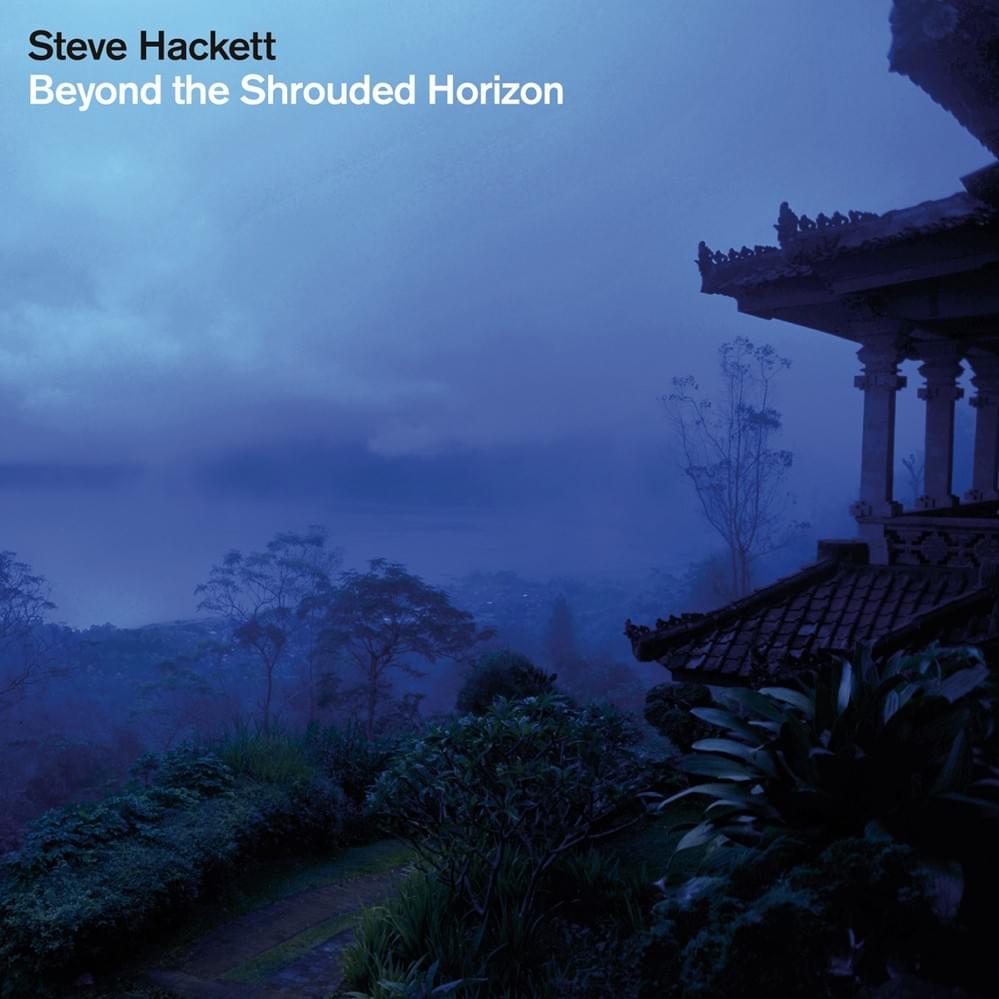
 View Artist