Song Meaning
The lyrics paint a picture of someone grappling with uncertainty, seeking guidance beyond their own understanding or the counsel of others. There's a palpable sense of humility, acknowledging the limits of personal perception when trying to grasp a higher truth or divine will. The narrator admits, "I can read Your Word / But I may not know Your mind," highlighting a core tension between external knowledge and internal comprehension. This sets the stage for a profound need for external direction.
The central conflict emerges from the contrast between human effort and divine intervention. The narrator can "talk all night / To the ones who say they know," and follow their advice, yet recognizes the insufficiency of such external validation. The repeated declaration, "I need You / To give my heart direction," underscores a dependence on a source of wisdom that transcends human opinion. This need is not situational but constant, "Like I always do," creating a persistent yearning for clarity.
The most striking aspect of the craft is the repeated emphasis on "listen." It's not passive hearing, but an active, deep engagement, "Listen close, listen deep / Way beyond the silence." This call to listen is juxtaposed with the narrator's own potential for error, "But I might be running blind." The act of praying "Thy kingdom come / Thy will be done" is presented not as a demand, but as a prelude to this attentive listening, suggesting that true understanding comes from receptivity rather than assertion.
Ultimately, these lyrics resonate because they articulate a universal human experience: the struggle to navigate life's complexities when faced with ambiguity. The narrator's commitment to "wait in quiet earnest anticipation" and to "listen" offers a model of spiritual discipline and trust. It’s this blend of vulnerability and active seeking, grounded in the specific act of listening for divine direction, that gives the passage its quiet power and emotional depth.
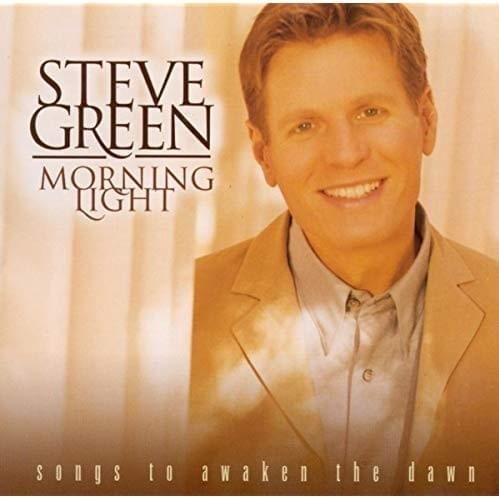
 View Artist