Song Meaning
The lyrics present a stark paradox: death, typically feared, is reframed as a desirable "glorious fate" and a necessary threshold. The opening lines immediately establish this unsettling juxtaposition, suggesting that facing mortality, or a symbolic death, is not an end but a passage. This isn't about physical demise but a profound internal transformation, a daily "crossing death's threshold" to access a "holy life inside."
The central tension resides in the internal conflict between the "spirit" and the "flesh," a "struggle for control" that rages within the narrator's soul. This war necessitates a "full surrender," not to an external force, but to a higher will, described as the "Spirit's call." The act of "dying a deeper death" with each breath signifies a continuous shedding of the self, a constant relinquishing of ego and worldly desires.
The most striking craft element is the repeated imperative, "Enter in," which acts as both an invitation and a command. It’s a call to embrace this transformative death, to "surrender to the Spirit's call." The lyrics propose that true survival for the soul is only achieved when the individual "will is killed," a radical idea that flips conventional notions of self-preservation on their head. Mourners, the text suggests, should weep not for the dying, but for the living who haven't yet undergone this spiritual rebirth.
This piece resonates because it articulates a profound spiritual struggle with visceral language. The concept of a "glorious fate" found in "death's gate" and the idea that the "soul survive[s]" only when the "will is killed" are arresting. It’s the raw, almost confrontational, presentation of spiritual surrender as the ultimate act of self-actualization that makes these lyrics so potent.
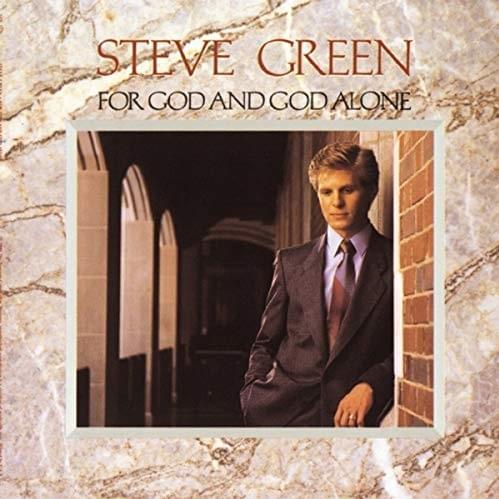
 View Artist