Song Meaning
Steve Forbert's "Grand Central Station, March 18, 1977" isn't just a snapshot of a specific time and place; it's a broader meditation on the artist's role in society, filtered through the lens of a young musician's hustle. The song meaning resides in the contrast between the transient chaos of Grand Central—the "wheels" and rushing crowds—and the grounded, almost defiant presence of the busking narrator. He's an observer, yes, noting the "sad, ragged figures" juxtaposed against the purposeful strides of the commuters, but he's also an active participant, injecting his art into the relentless flow of urban life. Forbert paints a picture of the station as a microcosm of society, a place where human dramas unfold against the backdrop of schedules and destinations. The lyrics position the singer as an outsider, yet determined to be heard. His music becomes an offering, a free vibration in a space defined by commerce and hurried transit.
The repeated refrain, "Think what you will, laugh if you like / It don't make no difference to me," is the song's defiant heart. It speaks to the artist's commitment to his craft, irrespective of external validation or judgment. There's a punk-like refusal to conform, a willingness to be vulnerable and exposed, even in the face of potential ridicule or, as the song later hints, legal repercussions. The simple act of "opening my case" becomes a symbolic gesture of making himself available, both literally and artistically. The phrase "all ears may listen for free" suggests a democratic ideal: that art should be accessible, a shared experience, not confined by economic barriers. The harmonica solo further emphasizes the raw and organic nature of his music. It's a voice beyond words, a pure expression of feeling that resonates within the station's cavernous space.
The encounter with the man who warns of police intervention adds another layer of complexity. It highlights the precariousness of the artist's position, the ever-present threat of being silenced or shut down by authority. Yet, the narrator's decision to take his chances, to continue "pour[ing] out my sound," underscores his unwavering belief in the power and importance of his art. "Grand Central Station, March 18, 1977," therefore, transcends a simple street performance narrative. It's a statement about artistic freedom, the value of art in public spaces, and the resilience required to pursue one's creative vision in a world often indifferent or hostile to it. The song's enduring appeal lies in its honest portrayal of the artist's struggle, and its celebration of the human spirit's capacity to find beauty and meaning amidst the everyday grind.
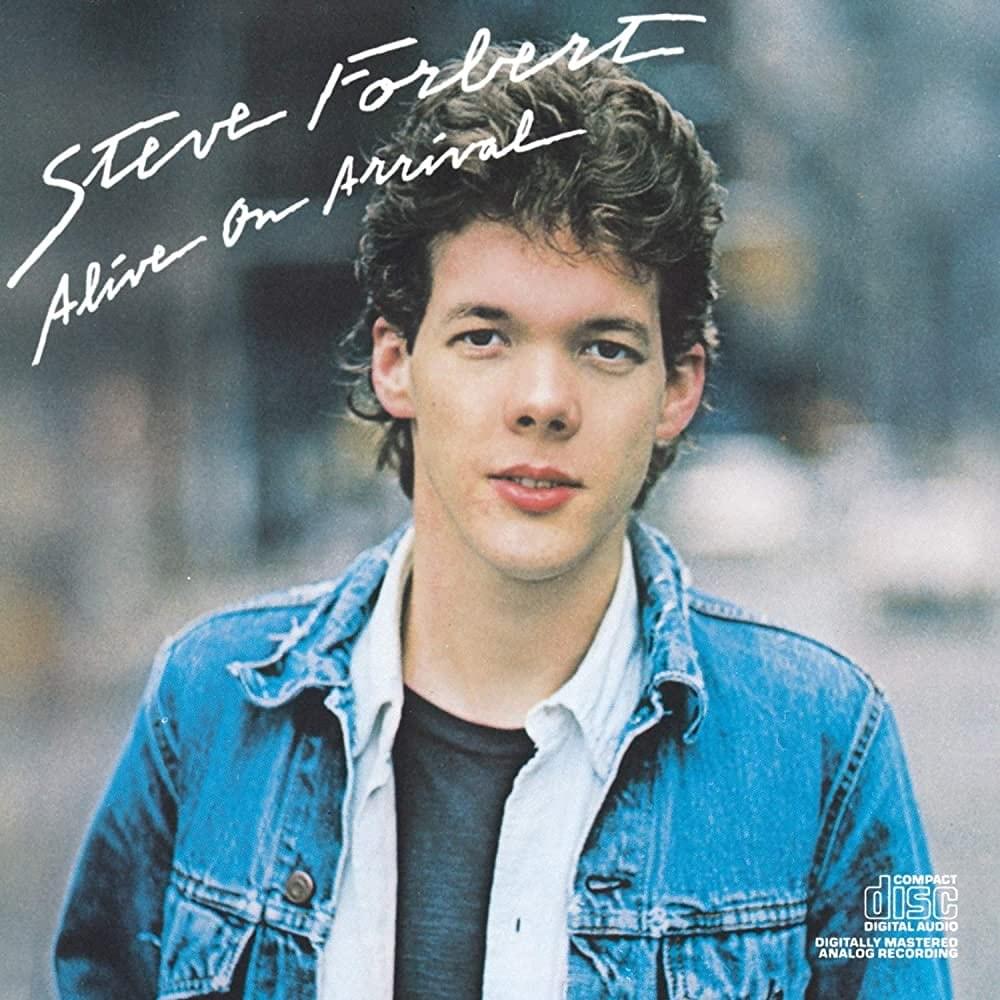
 View Artist