Song Meaning
Steve Forbert's "Don't Talk To Me" is a masterclass in the art of the pathetic. It's not a love song; it's a portrait of self-destructive desire, painted with the lyrical economy of a seasoned barroom philosopher. The song's core tension stems from the narrator's overt awareness of his own weakness. He acknowledges his attraction, not with pride or swagger, but with a desperate plea for self-preservation. "You're so pretty, babe, and I'm so blue / So hard for me to keep my hands off you" isn't a come-on; it's a confession teetering on the edge of a threat. The repeated refrain, "Honey, don't talk to me," functions as both a warning to the object of his desire and a desperate mantra to himself. He knows conversation, connection, any form of engagement beyond pure, base attraction will only hasten his downfall.
The narrator's self-awareness deepens the song's unsettling quality. He's not just driven by lust; he's acutely conscious of the wreckage he's poised to create. The mention of "seven children and a mean, smart wife" is not a detail offered for sympathy. It's a stark acknowledgement of the collateral damage he's willing to inflict. The line, "She can hear me think and smell the things I dream," hints at a deeper marital discord, a sense of being known too well, perhaps even stifled. This fuels the fantasy, the allure of the forbidden. The line "What I'm dreaming now could make a dead man cream" is a shocking moment of pure id, a raw, unfiltered glimpse into the narrator's subconscious. It's a testament to Forbert's skill that he can evoke such a visceral image with such stark simplicity.
Ultimately, "Don't Talk To Me" isn't about the woman; it's about the man's internal battle. The lyrics analysis reveals a mid-life crisis distilled into a three-minute plea. He's a "ghost town city," crumbling from within, yet still clinging to a flicker of hope, a "flower through the main street dirt." The final verse underscores the bittersweet truth that "every detail matters, but the best things hurt." This isn't a celebration of desire; it's an examination of its destructive potential, a cautionary tale delivered with a raw, unflinching honesty that lingers long after the song ends.
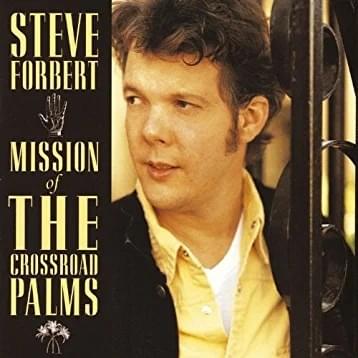
 View Artist