Song Meaning
Steve Forbert's "Big City Cat" isn't a celebration of urban cool; it's a stark portrayal of alienation amidst the clamor. The song's protagonist is physically and emotionally drained, "getting so skinny it hurts to sit down," trapped in a "rat trap town." This isn't a glamorous cityscape; it's a brutal environment operating on a principle of harsh reciprocity: "dirty for dirty, it's an eye for an eye." The 'big city' becomes a metaphor for a Darwinian struggle, where empathy is scarce, and everyone is on edge. The lyrics depict a world where superficial observation replaces genuine connection: "everyone's lookin', but who really cares?" The musical arrangement, with its long instrumental sections, reinforces this sense of isolation, offering no easy resolution or emotional catharsis.
The narrator's struggle to maintain composure in this environment is palpable. He's "try'na get up, try'na laugh in my head," but the city's relentless assault on the senses—"motors and traffic and racket and horns"—wears him down. The imagery of "walkin' on eggs and I'm climbin' on thread" evokes precarity and fragility. The descriptions of his living space – "weary ol' stairway," "hissin' of heaters and bangin' ol' pipes" – paint a picture of urban decay and neglect, amplifying the protagonist’s sense of being worn down by his surroundings. The sounds become oppressive, blurring the lines between private and public, safety and vulnerability.
The final verses descend into near-absurdist paranoia, with a "lunatic followin' me" and the inability to even find a moment of privacy to "take a pee." This descent highlights the psychological toll of urban living, suggesting a fracturing of the self under the constant pressure. The line "I'm 'sposed to be happy, I'm here where it's at" drips with irony, revealing a deep disconnect between the idealized vision of city life and the narrator's lived experience. He is merely "a face in the crowd; I'm a big city cat," reduced to an anonymous figure navigating a chaotic and indifferent landscape. The prolonged instrumental outro leaves the listener suspended in this unease, underscoring the song's bleak outlook on the human condition within the modern metropolis.
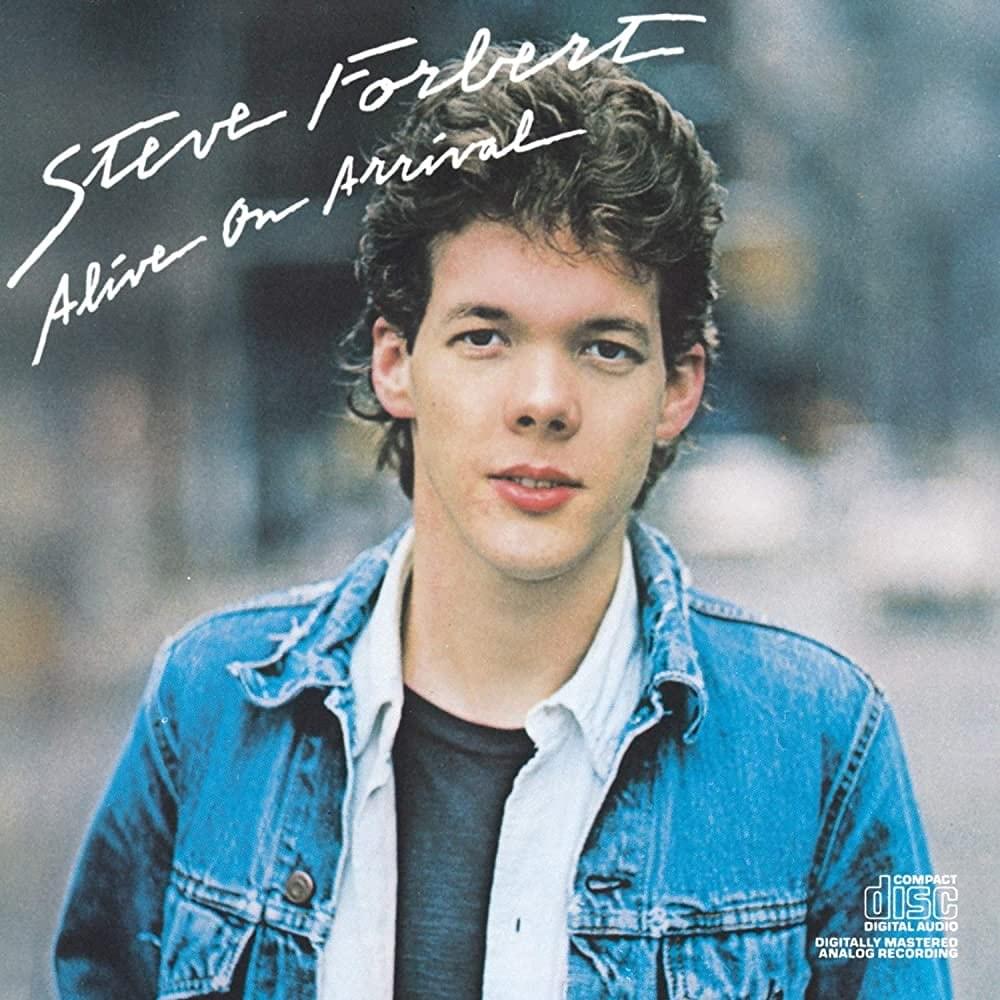
 View Artist