Song Meaning
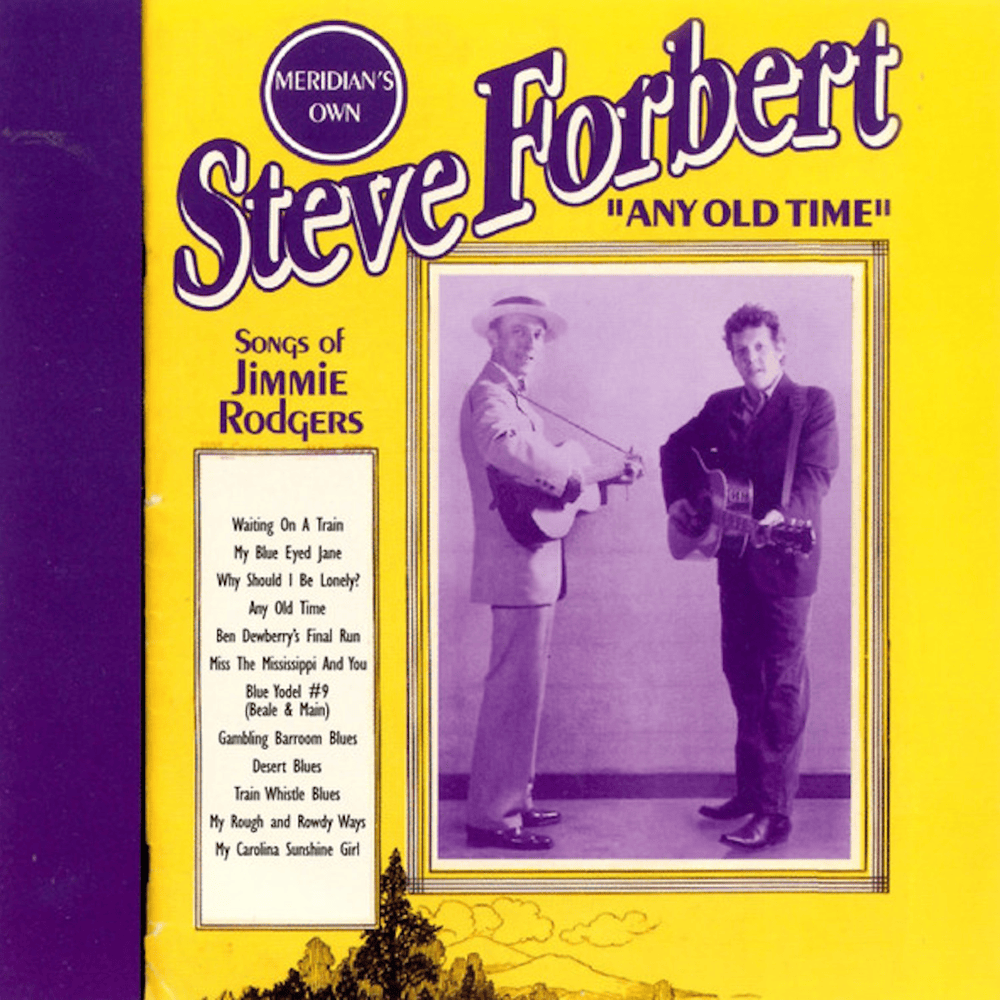
Steve Forbert's "Any Old Time" isn't just a simple invitation; it's a masterclass in the push and pull of codependency, masked as forgiveness. The narrator, initially tempted to dismiss a former lover's plea for help, ultimately succumbs to the gravitational pull of their shared history. The line "But in my memory lingers / All you once were to me" drips with nostalgia, but it also hints at a deeper need to be needed. It's not necessarily love that compels them, but the familiar role they played in the relationship. This is the kind of longing that transcends mere sentimentality; it's a deeply ingrained pattern of behavior.
The chorus, the heart of the song's meaning, offers a conditional absolution: "Any old time you wanna come back home / Drop me a line and say no more you'll roam." The condition, of course, is paramount. The narrator isn't offering unconditional love, but a contract. Admit your mistakes, promise to change, and you'll be welcomed back. But even within this apparent generosity lies a subtle resentment: "You had your chance to play the game fair / And when you left me, sweetheart, you only left a load of care." The 'sweetheart' feels laced with sarcasm, a reminder of past grievances and a warning against future transgressions.
Ultimately, "Any Old Time" reveals the complexities of human relationships, where forgiveness is often intertwined with a desire for control and validation. The narrator's willingness to "stick by you" now that the other person is "down" isn't purely altruistic. It's a power dynamic shift, a chance to reclaim a position of strength in the relationship. The repeated line, "You'll find me here / Like the day you left me alone," is not just a statement of availability, but a quiet accusation. The song's true genius lies in its unflinching portrayal of love as a messy, imperfect, and often self-serving endeavor.
 View Artist