Song Meaning
Steve Earle's rendition of "Warren Hellman's Banjo" isn't just a bluegrass tune; it's a shrewdly simple meditation on mortality and salvation, viewed through the lens of folk tradition. The repeated invocation of "Jordan's shore" immediately sets the stage—a clear allusion to the River Jordan, the symbolic boundary between life and the afterlife in Christian spirituals. But Earle isn't wallowing in fear. Instead, he's preparing, with a quiet defiance, for what comes next. The act of setting aside earthly possessions ("lay my purse aside") signifies a detachment from worldly concerns, a recognition that material wealth holds no value in the face of eternity. The core of the song meaning resides not in religious dogma, but in the deeply personal talisman of the banjo.
The banjo, then, becomes more than an instrument; it's a shield against the darkness. The repeated lines, "the devil won't follow wherever I go/If I carry my old banjo," suggest that music, specifically the joyful, roots-based sound of the banjo, possesses a power that evil cannot abide. It's a fascinating take on the classic good vs. evil trope, where art itself becomes the divine weapon. The song subtly elevates folk music to a sacred practice, a source of comfort and protection against existential dread. Earle isn't just playing notes; he's warding off demons.
Furthermore, the references to specific tunes like "Shady Grove," "Soldier's Joy," and "Bile Them Cabbage Down" are not casual name-drops. They are deliberate choices, grounding the spiritual journey in the tangible, earthy reality of American folk culture. These are tunes of the people, songs of hardship and resilience, and songs of joy and celebration. The idea that "the devil surely cannot stand that sound" is a potent statement about the enduring power of community, tradition, and the simple, unpretentious beauty of folk music to transcend even the darkest of times. It’s a reminder that sometimes, the most profound solace can be found in the most familiar melodies. In its essence, Steve Earle's interpretation transforms "Warren Hellman's Banjo" into an intimate, almost defiant, hymn to the enduring power of music in the face of mortality.
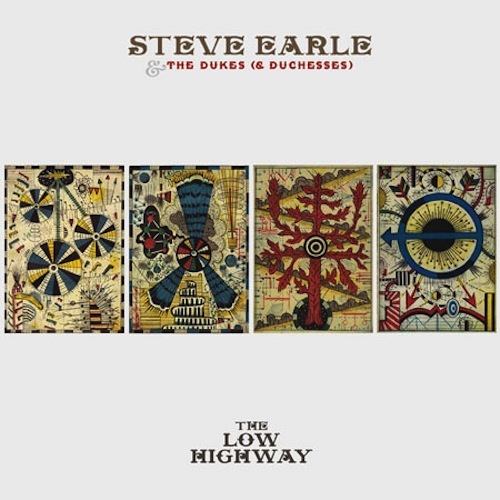
 View Artist