Song Meaning
{"song_id": 14526928, "meaning": "Steve Earle's \"Loretta\" isn't just a love song; it's a carefully constructed portrait of desire and self-deception. The surface narrative depicts a barroom girl, perpetually twenty-two, who embodies the classic archetype of the alluring, perhaps unattainable woman. However, the lyrics analysis quickly reveals a deeper layer, one where the narrator's perception of Loretta is heavily filtered through his own needs and fantasies. He acknowledges her \"lies I love to believe,\" suggesting a conscious awareness of the constructed nature of their relationship. This isn't naive infatuation; it's a deliberate choice to embrace an idealized version of love, even if it's built on a foundation of illusion. The repetition of her physical attributes – \"laughing eyes are hazel hue\" – underscores his almost obsessive focus on the superficial, hinting at a fear of genuine emotional connection.
The guitar and music itself serve as both a conduit and a shield. When he plays, \"my guitar sings, Loretta's fine,\" the music becomes a vehicle for expressing (and perhaps solidifying) his idealized vision. It's a way to control the narrative, to keep Loretta within the boundaries of his song. The line \"I can have her any time\" drips with a performative bravado, a desperate attempt to convince himself (and perhaps the listener) of his control over the situation. But the undercurrent of insecurity is palpable, especially when juxtaposed with the knowledge that \"she don't cry when I can't stay / At least not till she's all alone.\" This awareness of her private sadness suggests a deeper understanding of Loretta's reality, one that he actively chooses to ignore in favor of his fantasy.
Ultimately, the song meaning hinges on the tension between desire and reality. The promise of \"I'm coming home\" isn't necessarily a declaration of lasting love, but rather a cyclical return to the comfort of the familiar illusion. The 'home' he speaks of is not necessarily a place, but the fantasy. It’s a space where Loretta is eternally twenty-two, forever dancing, and always ready to fulfill his needs. Earle masterfully captures the bittersweet nature of this arrangement, acknowledging the inherent loneliness and self-deception while simultaneously understanding the powerful allure of a carefully curated dream."}
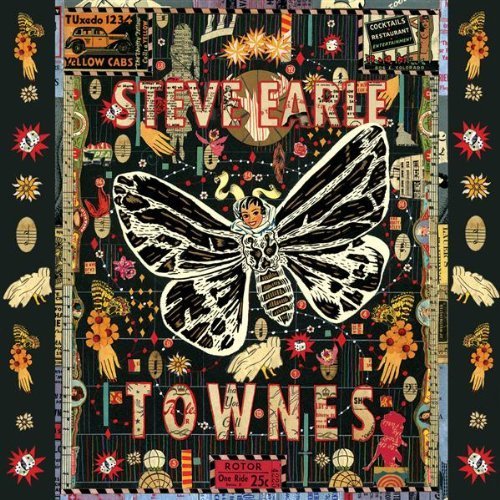
 View Artist