Song Meaning
Steve Earle's "Lonely Are the Free" isn't just a song; it's a stark observation on the human condition, wrapped in the weathered tones of Americana. The song meaning hinges on a central paradox: freedom, often idealized, can be profoundly isolating. Earle paints a portrait of individuals untethered from societal norms, drifting like feathers, "lighter than a feather," yet simultaneously burdened by their very independence. This isn't a celebration of liberation; it's an acknowledgement of its cost. The "post to in between" imagery suggests a perpetual state of transition, a lack of grounding that defines the free spirit's existence. There's a sense of melancholy woven into the lines, a recognition that this path, while perhaps chosen, offers no easy solace. The "no place for them to lean" line is particularly evocative, highlighting the absence of support systems or stable anchors for those who exist outside the conventional framework. It's a lonely road, this freedom.
The second verse introduces "the silent are the strong," a contrasting archetype that adds another layer of complexity. This isn't necessarily about physical strength, but rather a quiet resilience, an ability to endure without complaint or outward expression. The sirens and "sacrificial songs" hint at a world that demands conformity, punishing those who dare to deviate. The silence, therefore, becomes a form of protection, a way to navigate a hostile environment without revealing vulnerability. The connection between the "lonely are the free" and the "silent are the strong" lies in their shared outsider status. Both exist on the fringes, observing the world from a distance, their experiences shaped by a sense of alienation.
The final verse, with its abrupt declaration, "That's all there is to see," reinforces the song's bleak outlook. The "violent shadow passing" is a fleeting moment of darkness, easily missed by those who aren't paying attention. Earle seems to suggest that the truth about freedom and strength – their inherent loneliness and silence – is often obscured, visible only to those who are willing to look closely. The repetition of "Lonely are the free" serves as a haunting refrain, a reminder that the pursuit of individual liberty can lead to a profound sense of isolation. The lyrics analysis reveals Earle's talent to capture the complex duality of human nature with a poignant and unflinching honesty.
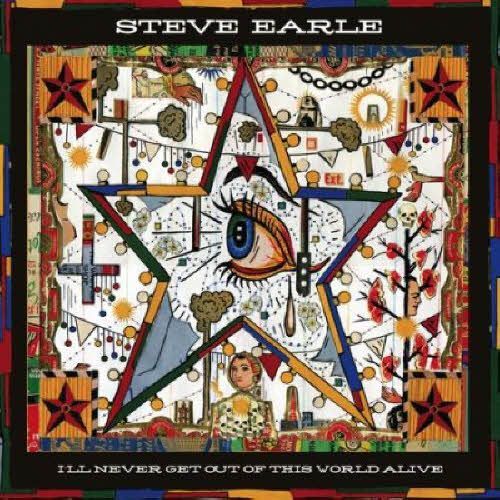
 View Artist