Song Meaning
The narrator is caught in a relentless cycle of trying to move on from a past relationship, but failing miserably. Every attempt to let go, whether it's physically or emotionally, leads them right back to the same painful starting point. This isn't just a fleeting sadness; it's a deep-seated inability to sever the connection, a struggle that feels insurmountable.
The core tension lies in the narrator's desperate attempts to hide their continued affection while simultaneously acknowledging the futility of their efforts. They're torn between presenting a facade of indifference and the raw, undeniable truth of their lingering love. This internal conflict is amplified by the external reality of the other person's apparent finality, creating a poignant contrast between the narrator's internal state and the perceived external situation.
The lyrics repeatedly emphasize the phrase "more than I can do," hammering home the narrator's sense of powerlessness. This isn't a choice they're making; it's a condition they're trapped in. The repetition underscores the overwhelming nature of their feelings, suggesting a love so potent it defies rational control or conscious decision-making. The narrator appears to be grappling with an obsession that borders on self-destructive.
This raw portrayal of unrequited or unresolved love hits hard because it taps into the universal experience of being unable to control one's own heart. The narrator’s admission of being "crazy about you" and the threat of calling the cops, while extreme, highlight the desperation that can accompany such intense emotional states. The final lines, "You left me just when I needed you / So l ain't even close to through with you," reveal a deep-seated hurt and a refusal to accept the end, making the narrator's struggle feel both tragic and intensely personal.
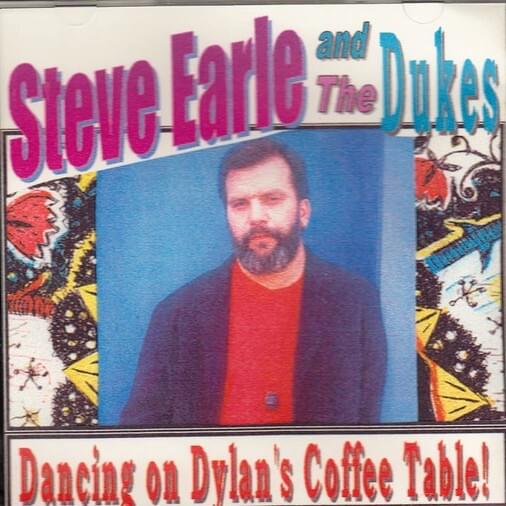
 View Artist