Song Meaning
The lyrics paint a stark picture of isolation and the daunting task of self-reliance. The opening lines immediately establish a sense of bleakness, where external circumstances like the wind are less significant than the internal chill of being alone. There's no external comfort offered, no "candle in the window," emphasizing that the path forward, the "way home," must be self-discovered. Even natural elements like rain are reframed not as a threat, but as a cleansing force, suggesting that challenges can be overcome through personal agency.
The central tension lies in the contrast between the difficulty of life and the individual's capacity to navigate it. The narrator acknowledges that the path isn't easy, but crucially, it doesn't *have* to be as hard as it seems. The advice to "stand right where you are" and the observation that "they've got to walk in their own shoes" suggest that external pressures and the actions of others are less relevant than internal resolve. The repeated assertion, "It's all up to you," becomes a mantra, shifting the focus from external blame or hope to internal control.
The recurring phrase "It's all up to you" functions as the lyrical anchor, driving home the message of personal responsibility. This isn't just a platitude; it's presented as a fundamental truth about navigating life's uncertainties. The lyrics suggest that external journeys, like looking to the "highway" or the "horizon," ultimately lead to the realization that the destination is less important than the ongoing act of moving forward. The imperative "don't you stop to look behind you" reinforces this, highlighting the continuous nature of personal progress and the necessity of self-propulsion.
Ultimately, the effectiveness of these lyrics stems from their direct, unvarnished address to the listener. By stripping away external dependencies and focusing on the internal locus of control, the song offers a bracing, albeit challenging, perspective. The repetition of the core message creates a sense of unwavering conviction, making the listener confront the idea that agency, while potentially isolating, is also the only true path to overcoming hardship and finding one's own way.
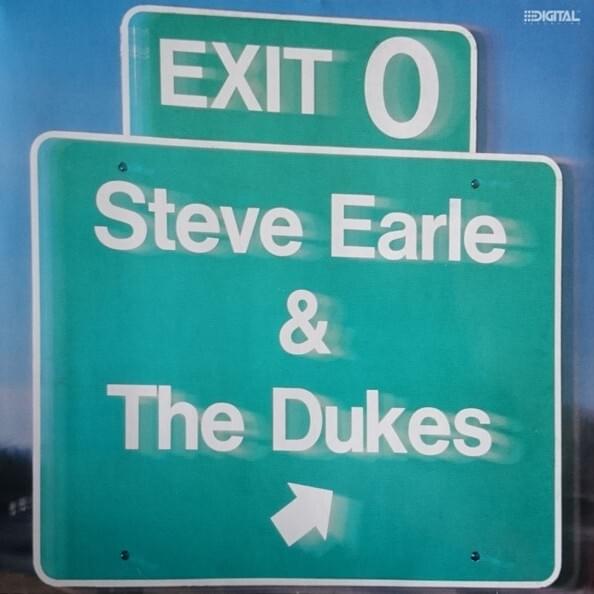
 View Artist