Song Meaning
The lyrics paint a surreal, dreamlike scene where a figure stands precariously on the "edge of the world," a place suspended between solid ground and the ethereal. The narrator questions whether a call heard was real or just the wind, immediately establishing a sense of uncertainty and perhaps a longing for connection. This sets up a central tension: the desire to hold onto something or someone versus the overwhelming, indifferent forces of existence.
The core conflict emerges in the repeated plea to "Close your eyes" and "let go." This isn't just about sleep; it's an invitation to disengage from a world that "won't stop spinning." The narrator seems to be grappling with the relentless pace of life and the search for meaning, contrasting the "thousands of people searchin' out there" with a sense of futility, suggesting that perhaps true fulfillment isn't found in external searching but in internal surrender.
A striking image surfaces in the memory of childhood. The narrator recalls being put to bed and taught to pray, but the specific phrase "if I should die fore I wake" became a haunting refrain. This childhood fear, amplified by the adult anxieties of the spinning world and the precarious figure, suggests a deep-seated unease with mortality and the unknown, a fear that the act of "letting go" might lead to an irreversible end rather than peace.
Ultimately, the effectiveness of these lyrics lies in their ability to evoke a profound sense of existential vulnerability. The dreamlike imagery, the contrast between searching and finding, and the lingering childhood fear combine to create a powerful emotional landscape. The narrator’s plea to "let go" feels less like an escape and more like a desperate attempt to find stillness in a chaotic existence, a desire for peace that is both simple and deeply complex.
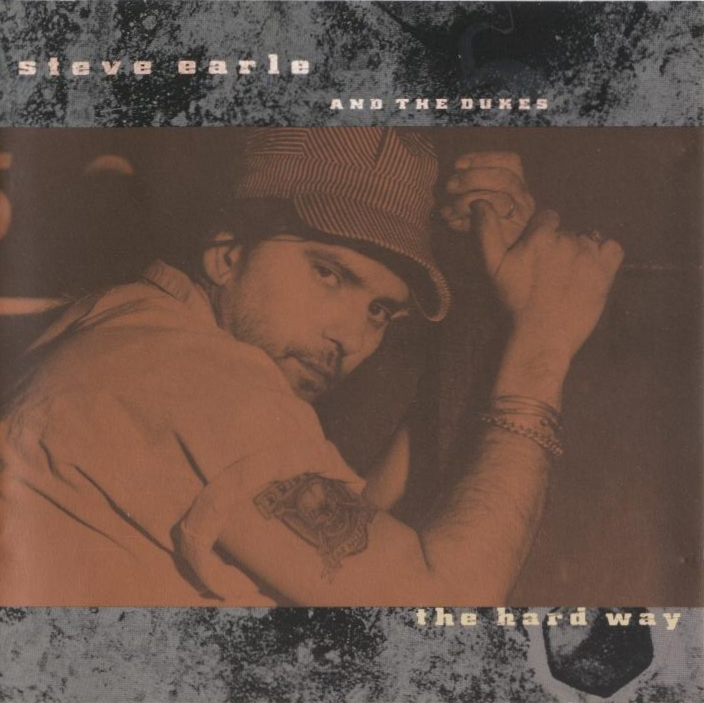
 View Artist