Song Meaning
The lyrics paint a fragmented picture of modern life, a chaotic rush of fleeting moments and anxieties. We jump from "good sex mad text" to "all gone wrong," then to the mundane panic of being "running late" for a date. This rapid-fire delivery mirrors the overwhelming pace of information and experiences we’re constantly bombarded with, leaving the narrator feeling adrift and questioning what comes next. The repeated phrase "Just like you, just might do" suggests a sense of shared, perhaps resigned, experience in this disarray.
The central tension seems to be a struggle between passive observation and a desperate desire for control or meaning. The narrator watches others, noting "What we do is watching you now," while simultaneously feeling unprepared and overwhelmed, like being "too scared" to make a phone call. This internal conflict surfaces in the latter half with lines like "When will this life begin" juxtaposed against a fierce, almost defiant, resistance: "I just won't let it be / Let it fly / I just won't let it breathe." It’s a push and pull between wanting to escape the chaos and a fierce, if anxious, grip on what little agency remains.
The most striking craft element is the abrupt juxtaposition of disparate images and emotional states. We move from the superficiality of "overstate intoxicated" and "relocate sophisticated" to the stark reality of "getting fat the keg is tapped" and the vulnerability of being "home alone night in." This jarring contrast highlights the emotional whiplash of contemporary existence, where moments of perceived excitement quickly dissolve into loneliness or disappointment. The final lines, "Stop staring in my eyes / Stare and let it go / I know that you won't stay / You won't be / Stop staring in my eyes," create a powerful, almost accusatory, plea for acknowledgment and release, even as the narrator anticipates abandonment.
Ultimately, the effectiveness of these lyrics lies in their raw, unfiltered portrayal of a generation grappling with information overload and existential uncertainty. The fragmented structure and rapid shifts in tone and subject matter don't offer easy answers but instead capture the disorienting feeling of navigating a world that often feels both intensely stimulating and profoundly isolating. The narrator’s internal battle, expressed through conflicting desires for both surrender and control, resonates because it mirrors the often-unspoken anxieties of trying to find one's footing in a constantly shifting landscape.
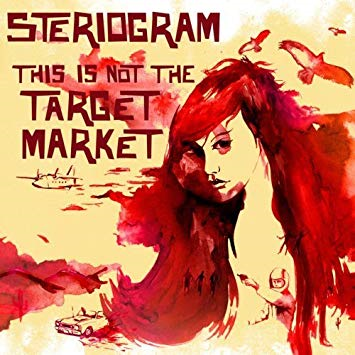
 View Artist