Song Meaning
The lyrics present a sense of playful mystery and intimate performance. The repeated phrase "Donne l'idée du jeu et du mystère" sets a tone of intrigue, suggesting that what is being observed or experienced is designed to be engaging and perhaps a little deceptive. This initial impression is reinforced by the idea of a "spectacle intime" that "suscite dans les yeux un éclair," hinting at a moment of sudden understanding or recognition sparked by the performance.
The core of the lyrical content seems to revolve around illusion and self-awareness of that illusion. The recurring image of "Sur la boîte cartonnée un trompe-l'œil" (On the cardboard box, a trompe-l'œil) is central. This visual, repeated obsessively, points to something that appears real or three-dimensional but is ultimately a flat, deceptive image. The immediate follow-up, "Avoue volontiers qu'il est trompe-l'œil" (Willingly admits that it is a trompe-l'œil), is crucial; it suggests an honesty within the deception, a performance that doesn't try to hide its artificiality.
This deliberate acknowledgment of artifice is the most compelling aspect of the writing. The lyrics aren't just about a trick of the eye; they're about a trick that openly declares itself a trick. This creates a unique dynamic where the viewer is invited to play along, aware of the illusion but still captivated by its presentation. The "muse" mentioned earlier seems to embody this quality – a source of inspiration that is both alluring and knowingly playful.
Ultimately, the effectiveness of these lyrics lies in their ability to create a feeling of shared understanding between the performer and the observer. The "trompe-l'œil" that "avoue volontiers" fosters a connection built on acknowledging the game. It's a subtle dance of perception, where the beauty is found not in believing the illusion, but in appreciating the skill and honesty with which it's presented.
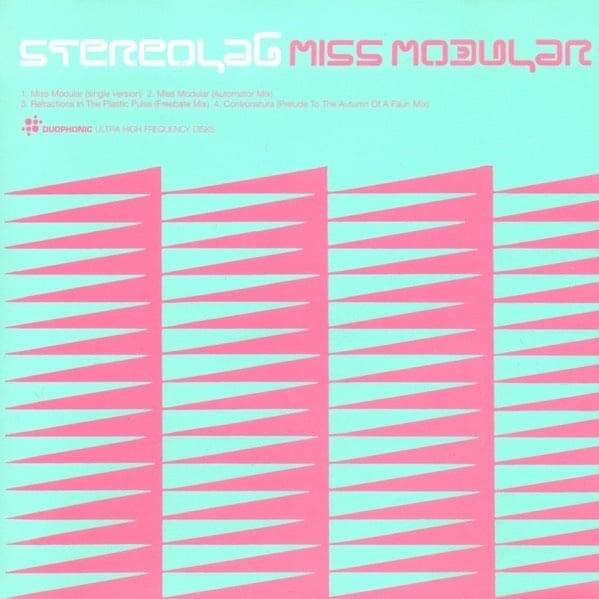
 View Artist