Song Meaning
These lyrics paint a vivid picture of a speaker fiercely defining their identity. They reject being a "little girl" or a "tiny mouse," demanding to be called "mademoiselle" instead. It's a playful yet firm refusal to be pigeonholed into innocent, diminutive roles.
The central tension here is a powerful yearning to remain forever at "sweet sixteen." The speaker isn't just rejecting childhood; they're also pushing back against the perceived burdens of adulthood. They declare, "I am not a real woman / What do I understand about life," framing their current state as a dream from which they "don't want to wake up."
One of the most striking craft elements is the use of negation and vivid imagery. The speaker isn't a "thorny rose" or someone "with lollipops, pink panties," creating a specific, almost rebellious image of what they *aren't*. This constant self-definition through what they are *not* makes their ultimate declaration — the desire to stay sixteen — feel like a deliberate, chosen stance rather than a simple wish.
The lyrics are effective because they capture a universal yet deeply personal desire to hold onto a specific moment of youth, freedom, and perhaps a certain naiveté. The surprising hypothetical, "I could be your mother / Then you would see / For me, it's extraordinary / On the back of your bicycle," adds a layer of wistful awareness, suggesting that even in the desire for eternal youth, there's a playful understanding of life's different stages and simple joys.
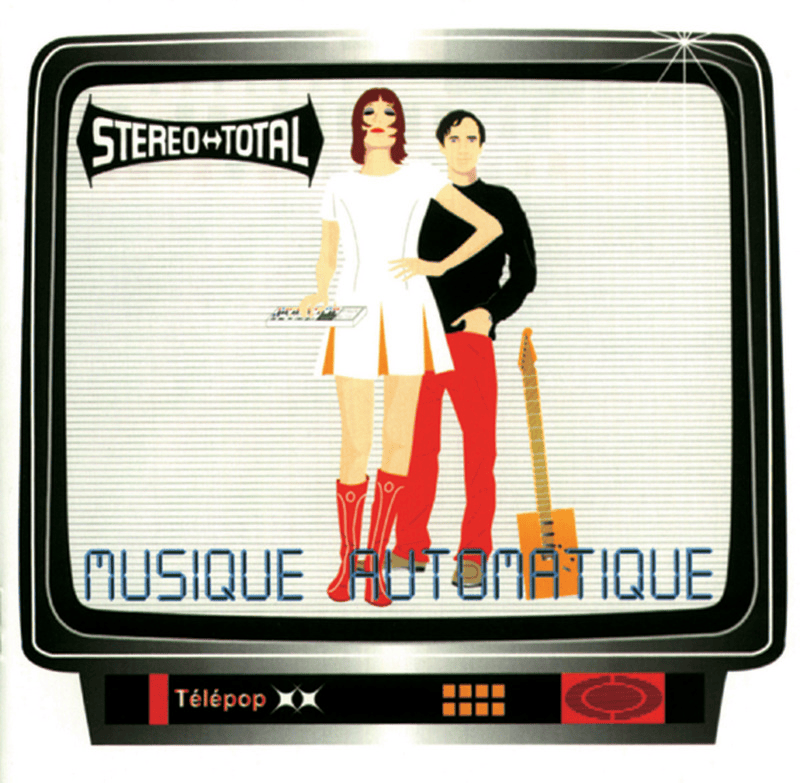
 View Artist