Song Meaning
The lyrics paint a picture of someone grappling with a relentless, transactional view of relationships and life, desperately seeking reassurance. The opening lines establish a stark, almost cynical perspective: "Tell me what you've got to give me / Tell me what you've got that's free." This suggests a world where everything has a price, and even affection is measured by what's offered, with the narrator acknowledging they'd operate the same way: "You would do the same to me." This transactional mindset seems to be the constant background noise of their existence, "day in, day out."
The central tension arises from the contrast between the desire for genuine connection and the pervasive feeling of scarcity and uncertainty. While "every day's a new beginning," the "same old end" suggests a cycle of disappointment. The narrator questions the very possibility of improvement, asking "Will the good times really come again" and "Will a dollar buy a quarter," highlighting a deep-seated anxiety about financial and temporal limitations. This economic metaphor extends to the poignant plea to "save the Five and Dime," a symbol of a simpler, perhaps more attainable past.
The most striking aspect of the writing is the desperate plea for external validation in the chorus: "Somebody, tell me it's all right." This isn't a statement of fact but a raw expression of need. The narrator needs to be told that it's acceptable to believe things are over, and more importantly, that "Happy days are on their way." This yearning for a "perfect world today" and "the best of everything" clashes with the harsh realities presented earlier, creating a palpable sense of longing and vulnerability.
What makes these lyrics resonate is their unflinching portrayal of a specific kind of existential weariness. The narrator isn't just sad; they're exhausted by a world that feels consistently short-changed. The repeated questions and the plea for reassurance reveal a profound need for hope, making the desire for "all right" and "OK" feel like the most essential commodities of all, even more than love or material wealth.
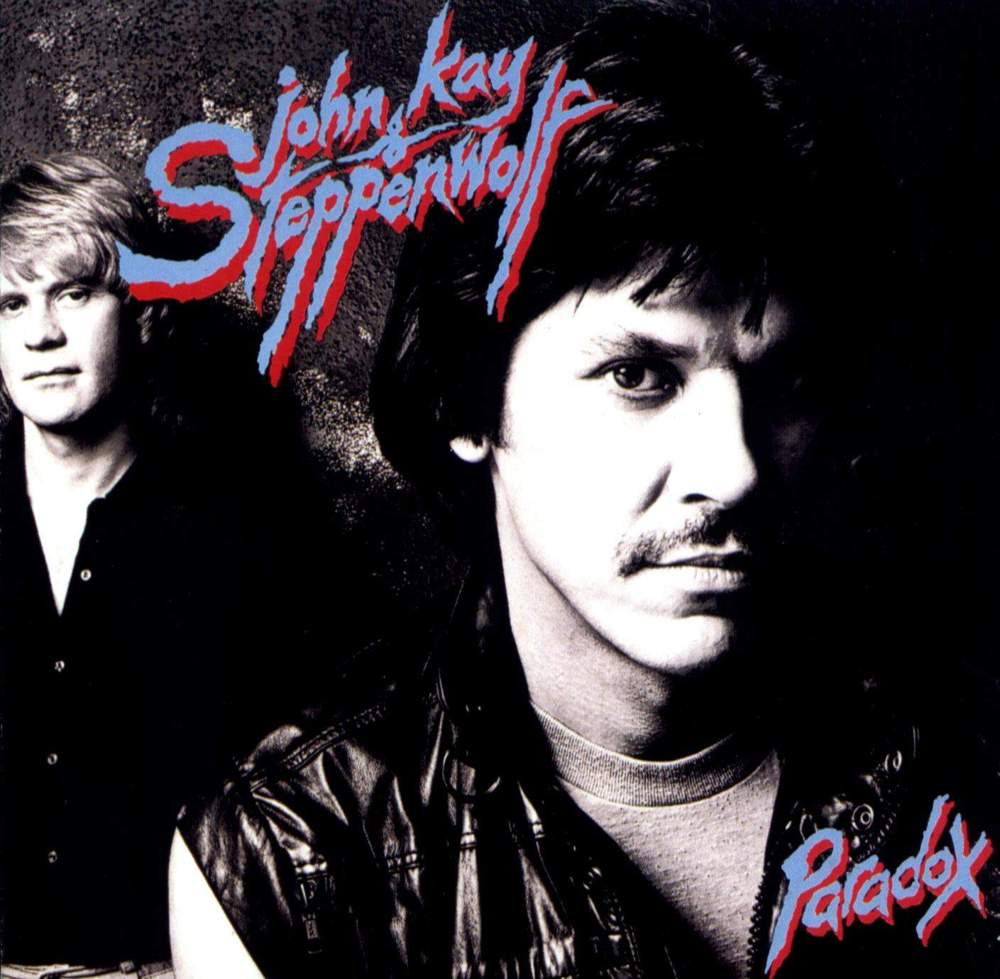
 View Artist