Song Meaning
The lyrics paint a stark picture of a primal, almost elemental force observing humanity's perceived dominance. The repeated assertion, "We are small but we are many," immediately establishes a collective identity that contrasts with an implied singular, powerful 'you.' This "many" suggests an overwhelming, perhaps insectoid or rodent-like, presence that predates and will outlast human civilization. The tone is patient, almost chillingly so, hinting at an inevitable reckoning.
The central tension lies in the cyclical nature of power and the subversion of human supremacy. The narrator, speaking for this collective "we," directly challenges the listener's assumed position of control. Phrases like "We were here before you rose" and "We will be here when you fall" frame human existence as a temporary phase. The unsettling shift comes with "You will be here when we rise," flipping the script and suggesting a future where the 'many' inherit the earth.
The most striking craft element is the deliberate, almost childlike, mispronunciation of "nerves" and "deserves" as "nerveses" and "deserveses." This linguistic quirk, repeated in the third stanza, injects a disturbing innocence into the menacing message. It makes the threat feel less like a calculated plan and more like an instinctual, unthinking, yet utterly determined force. The simple, declarative sentences and the focus on basic physical attributes – "teeth," "tails," "eyes" – amplify this primal quality.
This lyrical approach is effective because it bypasses complex reasoning and hits on a visceral level. The direct address and the imagery of "nibble off the muscle" and "nibble on the bone" create a sense of physical vulnerability. The contrast between the smallness of the "rats" and the magnitude of their implied victory over the "throne" is deeply unsettling, suggesting that even the mightiest can be brought down by persistent, numerous forces.
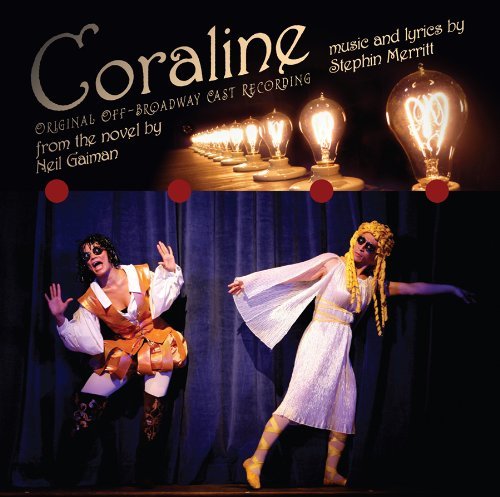
 View Artist