Song Meaning
The narrator embarks on a global quest, driven by an intense desire for a singular, elusive 'flower.' This pursuit is framed through a catalog of diverse flora, each with a distinct characteristic that hints at a complex, perhaps transactional, relationship. The imagery ranges from resilient 'Black-Eyed Susan' to the dangerous 'Poison Ivy,' suggesting a spectrum of qualities the narrator is observing or seeking. The repetition of "I criss-cross this wide world / For a single flower" anchors this journey in a profound, almost obsessive, dedication.
The core tension lies in the contrast between the natural world and a sense of control or command. While many plants are described with agency – 'bends,' 'waters her friends,' 'does tricks' – the line "You give the orders and Catnip obeys" introduces a clear power dynamic. This suggests the narrator is not just observing nature, but perhaps seeking to possess or manipulate it, or is reflecting on a relationship where one party dictates terms. The phrase "All are not free, but they're free for the night" further complicates this, implying a temporary state of liberation or a conditional freedom tied to specific circumstances.
The most striking craft element is the personification and cataloging of flowers, each acting as a metaphor for different types of beings or relationships. 'Narcissus folds in unusual ways' and 'African Violet does tricks with her tongue' are particularly evocative, hinting at vanity, deception, or hidden depths. The 'Venus Fly Trap is tight' offers a sharp, almost modern, descriptor for something potentially dangerous or alluring. This deliberate selection and description of plants imbue the abstract search with concrete, albeit symbolic, forms.
This lyrical tapestry is effective because it uses the natural world as a rich, layered metaphor for human connection and desire. The specificity of the plant descriptions, combined with the narrator's sweeping journey, creates a sense of both intimate observation and grand ambition. The ambiguity of the 'flower' – is it a person, an ideal, an experience? – allows the listener to project their own quests and desires onto the narrative, making the narrator's obsessive search feel deeply resonant.
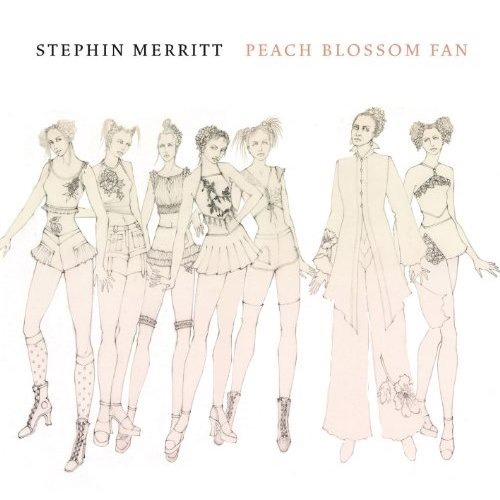
 View Artist