Song Meaning
Sondheim's "The Frogs: Exodus: The Sound of Poets" isn't just a song; it's a primal scream for intellectual and artistic resuscitation. Opening with a Greek Chorus invoking Dionysos, the god of wine, theater, and ecstasy, the song is a direct appeal to reignite the world's passion for poetry, wisdom, and thoughtful discourse. This isn't mere entertainment; it's a desperate plea to awaken a "heedless Earth" and nourish a "hungry Earth" with the power of words. The repetition of "Evoe, alalai" functions as an ancient, almost ritualistic chant, a call to the muses to break through the modern malaise. It’s a sonic insistence on the necessity of art as a life force, not just a pastime. The lyrics emphasize bringing 'the taste of words' and 'the sound of wit,' directly combating intellectual apathy. The 'dark'ning Earth' suggests a world sliding into ignorance, which only heightened artistic expression can illuminate.
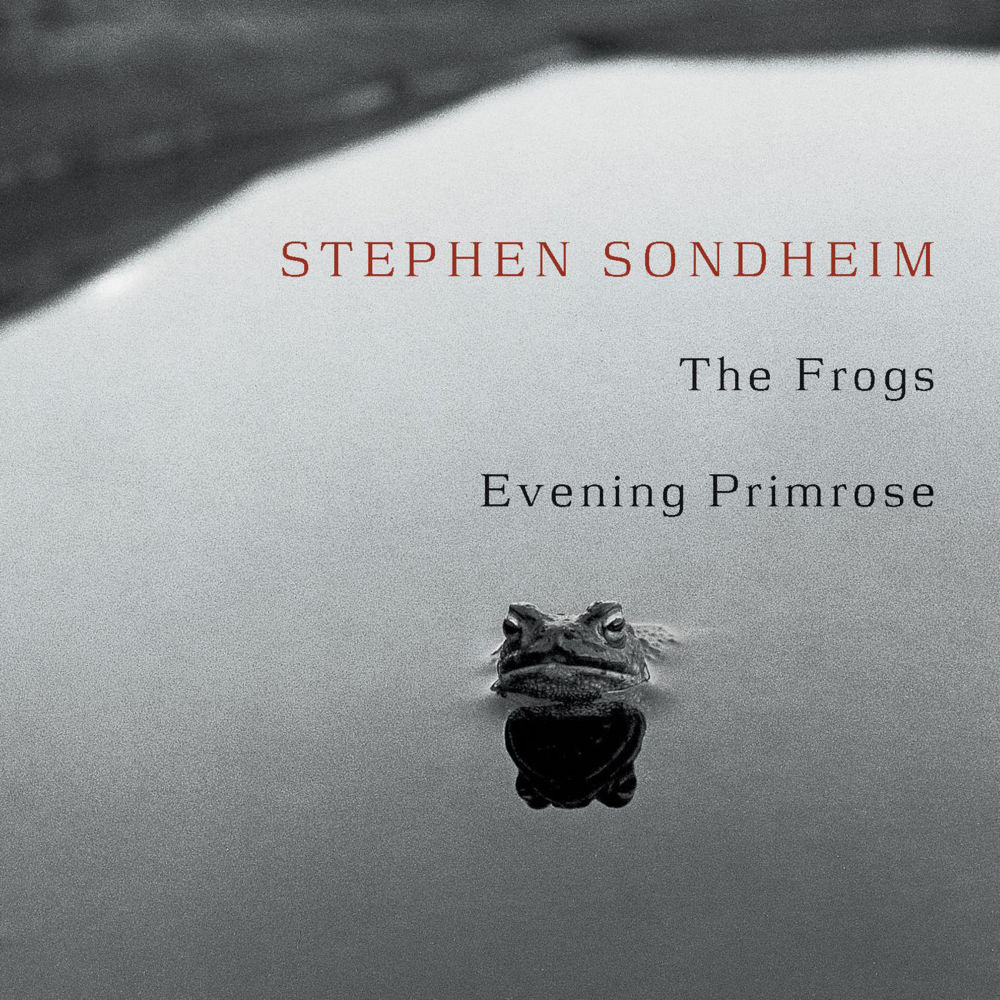
But then comes the jarring intrusion: "Brek-kek-kek-kek." The frogs. What starts as a classical invocation devolves into guttural croaking. This juxtaposition is the core of the song's meaning. Are the frogs simply a comedic element, a self-aware wink at the absurdity of high art? Or do they represent the base, instinctual forces that constantly threaten to drown out the voices of reason and beauty? The "Ko-ax" and "Rib-et" sounds become a counterpoint to the earlier sophisticated pleas. They're a reminder of the earthly, the messy, the unrefined aspects of human existence that can easily overwhelm our higher aspirations. The genius of Sondheim is in this tension, this constant push-and-pull between the sublime and the ridiculous.
Ultimately, "The Frogs: Exodus: The Sound of Poets" leaves us suspended between hope and despair. It acknowledges the uphill battle faced by artists and intellectuals in a world increasingly dominated by noise and superficiality. The song's meaning resides in its raw honesty about the struggle to maintain intellectual and artistic integrity in the face of overwhelming absurdity. The frogs' chorus serves as a constant, mocking reminder of the forces working against enlightenment, forcing us to question whether the sound of poets can truly rise above the din.
 View Artist