Song Meaning
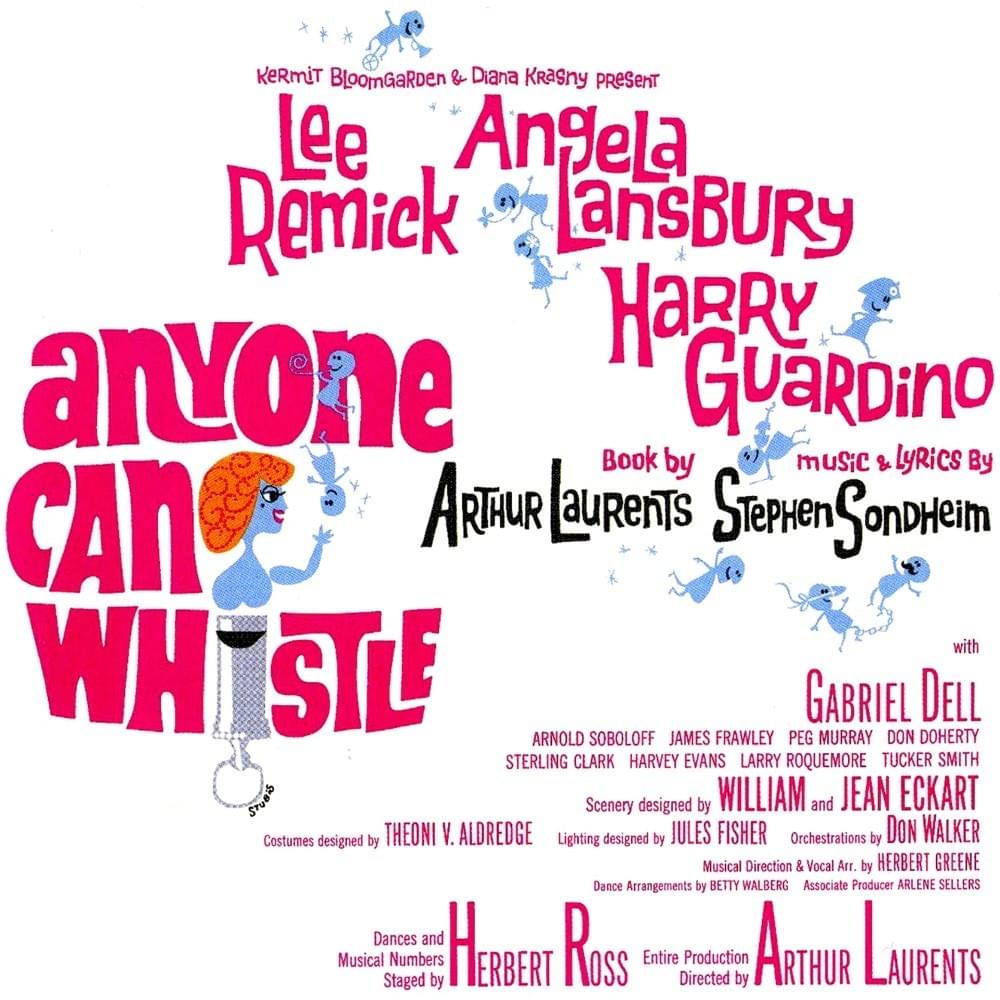
Stephen Sondheim's "Anyone Can Whistle" isn't actually about whistling. On the surface, the lyrics present a simple frustration: the inability to perform a seemingly effortless act. But beneath that accessible exterior lies a complex exploration of vulnerability, control, and the elusive nature of freedom. The protagonist, Fay, possesses demonstrable skills – she can dance a tango, read Greek, even 'slay a dragon.' These are accomplishments requiring discipline and mastery, yet the simple act of whistling remains beyond her grasp. This juxtaposition highlights a central theme: the things that appear easy are often the most challenging, especially when they involve letting go. The song's true meaning surfaces in the yearning expressed in the lines, 'Maybe you could show me / How to let go / Lower my guard / Learn to be free.' It's a plea for guidance in relinquishing control, in shedding the defenses that prevent genuine self-expression.
The inability to whistle becomes a metaphor for a deeper struggle with authenticity. Fay's accomplishments, while impressive, may represent a form of self-imposed constraint. Perhaps she excels at tasks requiring precision and control as a way to avoid the messiness and uncertainty of true emotional openness. The act of whistling, then, symbolizes a kind of uninhibited joy, a carefree spirit that she finds difficult to access. The repetition of 'Easy' is laced with irony; it underscores the disconnect between the perceived simplicity of the act and the protagonist's internal barriers. The repeated line emphasizes the expectation that she *should* be able to do it, increasing the pressure and frustration.
Ultimately, "Anyone Can Whistle" resonates because it taps into a universal desire for liberation. Sondheim masterfully uses the specific (the act of whistling) to illuminate the general (the struggle for freedom). The song's power lies in its ability to evoke empathy for Fay's plight, recognizing that many of us construct elaborate defenses to protect ourselves, even if those defenses ultimately prevent us from experiencing genuine connection and joy. The final lines, 'Maybe if you whistle / Whistle for me,' are not just a request for help, but an invitation to witness and share in the process of breaking free.
 View Artist