Song Meaning
The lyrics paint a stark picture of a disconnect, a gulf between "America to Africa" that feels vast and unbridged. There's a sense of "message unrecieved" and a "distance that we never go," suggesting a failure to connect or understand across this perceived divide. This chasm is further emphasized by the idea of a "truth that's not believed" and "stories that I wish untold" found in the news, hinting at societal issues or narratives that are ignored or suppressed.
The core tension seems to stem from this unacknowledged distance and the resulting societal "sickness in the way we grow." The lyrics pose a direct challenge: "So when love arrives / Don't be scared to go." This call to action urges listeners to overcome fear and "loose your control," to "rise above" any forces that would "hold you back or put you down." It’s an plea for emotional and perhaps even physical movement across the barriers that separate people.
A striking image is the idea of "the guilty ones all wear our clothes / And they're walking in our shoes." This suggests a shared responsibility or complicity in the "sickness" and the "silence we all choose." The narrator seems to be grappling with a collective guilt, where the perpetrators of societal ills are not outsiders but are indistinguishable from "us," blurring the lines of blame and accountability. This makes the call to "know what side you're on" particularly potent, as it forces a confrontation with one's own role in the existing, flawed system.
Ultimately, the effectiveness of these lyrics lies in their direct, almost confrontational questioning and their stark imagery. The repeated phrase "In America to Africa" acts as a constant reminder of the vast, often ignored, space between different realities or perspectives. The lyrics push the listener to acknowledge a pervasive disconnect and to consider their own agency in either perpetuating or bridging that gap, particularly through the transformative power of love and belief.
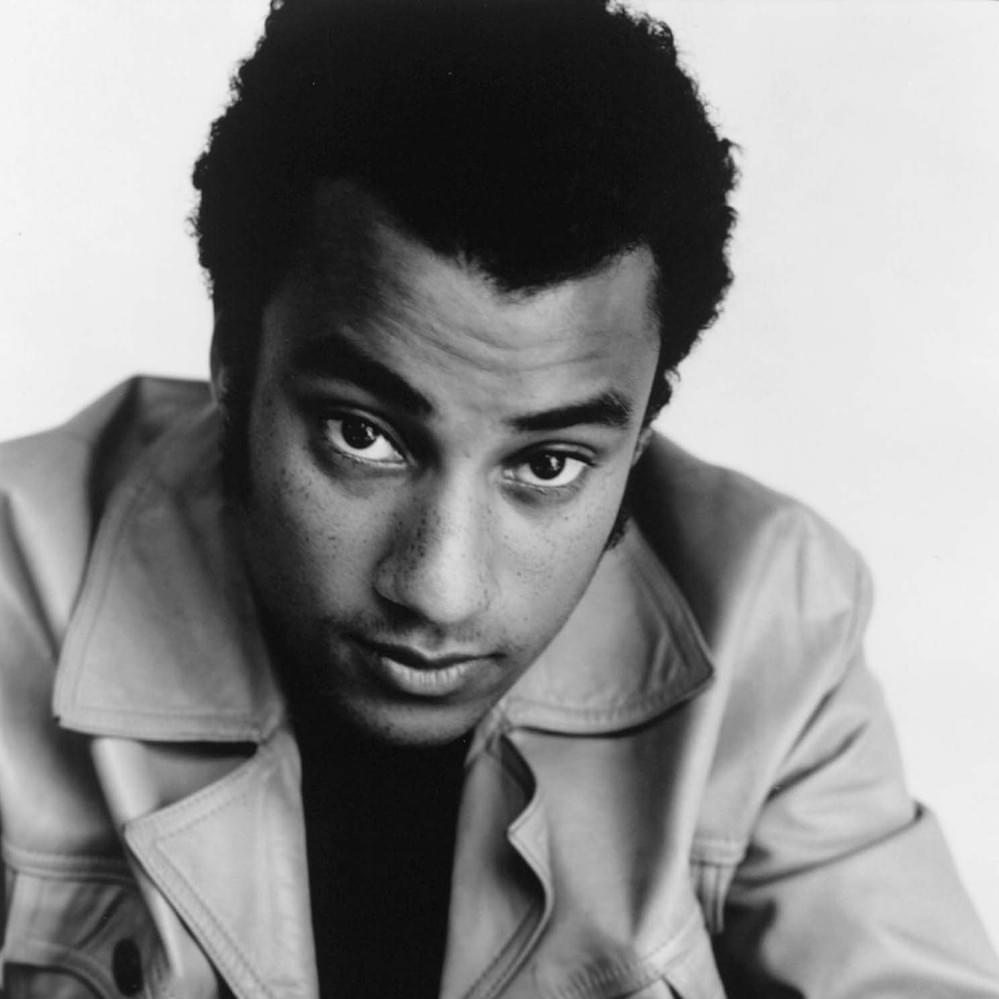
 View Artist