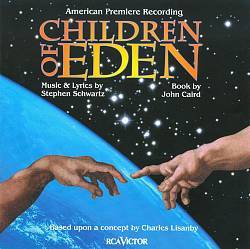
Song Meaning
The lyrics paint a picture of absolute dependence and gratitude within a sheltered, idyllic existence. The speaker, identifying as a "grateful child," acknowledges a paternal figure (referred to as "Father") as the sole source of their reality. This existence is framed as an "everlasting springtime," a perpetually perfect environment where everything received is simply accepted as the natural order of things. The core sentiment is one of uncritical appreciation for a world that appears to be entirely provided and curated.
The dominant emotional tone is one of serene, almost naive, contentment. There's no hint of struggle, desire for more, or questioning of their circumstances. The "garden" is meant to "grow," suggesting a desire for the continuation and expansion of this perfect state, reinforcing the idea that the current reality is the ultimate good. This unwavering acceptance highlights a profound lack of awareness of any alternative or hardship outside this protected space.
The most striking aspect is the complete absence of agency or individual experience beyond receiving. The phrase "All you give is all we know" is particularly potent, suggesting a world so enclosed that external knowledge or experience is impossible. The "perfect garden" implies a controlled environment, where growth is managed and deviations are not permitted, mirroring the children's own unquestioning acceptance of their "everlasting springtime."